Nutrient requirement

Are there any advancements or innovations in the field of chemical fertilizer?

chemical fertilizer

chemical fertilizer with slow and controlled releases are made to release nutrients gradually over an extended period of time to meet the needs of crops. They decrease the risk of overfertilization, decrease nutrient losses due to leaching and volatilization, and increase the effectiveness of nutrient utilization.

Fertilizers that have been coated: Coating technologies have been developed to improve the characteristics of fertilizers’ nutrient delivery. A protective layer on coated chemical fertilizer regulates the rate at which nutrients are released. The coating may be programmed to release nutrients in response to conditions like temperature, moisture content, microbial activity, or predetermined time periods. This technique aids in the controlled release of nutrients, lowers nutrient losses, and enhances crop nutrient uptake.

Enhancing the availability and effectiveness of nutrients for plants is the goal of enhanced efficiency fertilizers (EEFs). Products like nitrification inhibitors, urease inhibitors, and phosphorus enhancers can be included in them. Nitrification inhibitors reduce nitrogen losses by leaching and denitrification by slowing the conversion of ammonium to nitrate. Urease inhibitors reduce nitrogen volatilization by delaying the breakdown of urea. By lowering its fixation in the soil, phosphorus enhancers increase the availability of phosphorus to plants.

Precision Agriculture Technologies: Farmers can acquire specific information about soil variability, crop development, and fertilizer requirements using precision agriculture instruments including remote sensing, GPS, and yield mapping. With the use of these technologies, farmers may more precisely decide how much and where to apply fertilizer, ensuring that the proper amount is applied at the right time.


How do farmers determine the appropriate amount of chemical fertilizer to use?

farmers determine

An important initial step in establishing the pH and nutritional state of the soil is soil testing. The pH, nitrogen content, and other characteristics of the soil are measured in soil samples taken from representative fields. The test findings give information about the current nutrient levels, allowing farmers determine to apply fertilizer with knowledge.

Crop nutrient needs: Farmers determine the nutritional needs of the particular crops they want to plant. At various phases of growth, every crop has specific nutrient requirements. Knowing the nutritional requirements can assist you choose how much fertilizer to use.

Farmers take into account the crop’s rate of nutrient loss. The amount of nutrients that will be absorbed and eliminated from the field during harvest is what is meant by this. Farmers can calculate the amount of fertilizer needed to replace the nutrients that will be withdrawn from the system by knowing the rate of nutrient removal.

In order to ensure that the fertilizer application meets the crop’s needs without leading to excessive nutrient buildup or deficiencies, the nutrient balance of the soil is assessed. The necessary nutrient levels for optimum crop development and productivity are used to define targets for soil fertility. To accomplish these objectives, the rate at which fertilizer is applied is changed.

Do chemical fertilizers have any impact on water sources or groundwater quality?

groundwater

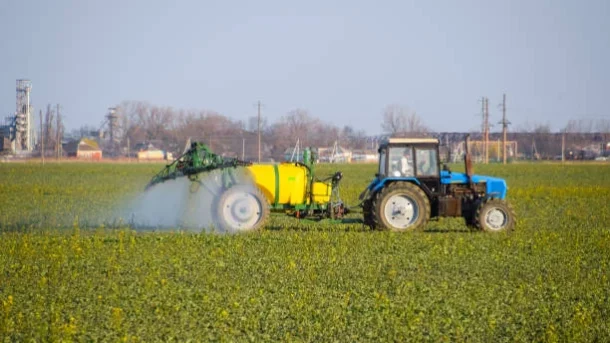
Runoff of Nutrients: Surface runoff can remove nutrients from the crops when chemical fertilizers are applied excessively or during periods of heavy rainfall. The neighboring rivers, lakes, groundwater, and streams may receive this discharge. The overabundance of nutrients, especially nitrogen and phosphorus, can lead to eutrophication, a condition in which the growth of algae and aquatic plants is accelerated by an abundance of nutrients. This may cause an oxygen shortage, kill aquatic life, and throw the aquatic ecosystem’s delicate balance out of whack.

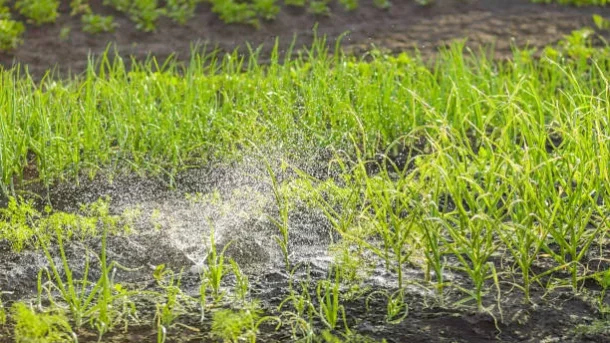
Chemical fertilizers, particularly those that are water soluble, can permeate the soil profile and seep into the groundwater. Leaching happens when rainfall or irrigation water moves the dissolved nutrients into the water table by moving them through the soil layers.


Surface Water Contamination: Chemical fertilizers that are improperly handled, stored, or accidentally spilled can contaminate surface waters. Runoff or direct release of fertilizer compounds into water bodies can happen when fertilizers are not administered in accordance with advised procedures or when machinery fails. This might affect the quality of the water, endanger aquatic life, and disturb aquatic ecosystems.

Groundwater contamination can result from the leaching of nutrients from chemical fertilizers, notably nitrate. Since nitrate is extremely soluble, it can quickly pass through the soil and get to the water table. Nitrate contamination in groundwater can be harmful to people’s health. Methemoglobinemia, sometimes known as “blue baby syndrome,” is a disorder that decreases the blood’s ability to carry oxygen, especially in children. It is brought on by consuming water with high nitrate concentrations.

Can the use of chemical fertilizers lead to nutrient imbalances in crops?

nutrient imbalances

Overemphasis on Particular Nutrients: Chemical fertilizers often supply nutrients in particular ratios based on the nutrient needs of the target crops. However, if farmers only use chemical fertilizers and ignore the nutrient makeup of the soil or the particular requirements of the crop, they risk over-applying some nutrient imbalances while under-applying others. For instance, a nitrogen-heavy imbalance might result from consistently applying nitrogen-based fertilizers without taking phosphorus, potassium, or micronutrient requirements into account.

Inadequate soil testing or incorrect interpretation of the results of a soil test can produce inappropriate fertilizer recommendations. Farmers run the danger of applying an excessive or insufficient amount of nutrients if they exclusively depend on generalized fertilizer recommendations without taking site-specific soil conditions and crop nutrient requirements into account.


Limited Nutrient Availability: The availability of nutrients to plants can be impacted by a variety of circumstances, including high soil pH, low organic matter concentration, and certain soil features. Chemical fertilizers might not be able to adequately overcome these restrictions. For instance, micronutrient deficiencies may occur in soils with high pH levels or specific soil types, and phosphorus availability may decrease in alkaline soils. Nutrient imbalances may arise if chemical fertilizers alone are used under these circumstances rather than soil amendments or tailored micronutrient applications.

Nutrient Interaction: The availability and uptake of nutrients can be affected by interactions between nutrients in the soil and within the plant. Applying too much of one nutrient can interfere with how well other nutrients are absorbed or used, which can result in imbalances.

Can the excessive use of chemical fertilizers have negative impacts on the environment?

excessive

Water pollution: Excess nutrients can wash off the soil surface and leak into the groundwater or be transferred into neighboring water bodies by runoff when chemical fertilizers are overused or applied at the wrong time. This may result in water pollution, particularly eutrophication, or nutrient enrichment. Aquatic ecosystems are disrupted by eutrophication, which also causes excessive growth of aquatic plants and algae, lowers oxygen levels in water bodies, and causes fish deaths and biodiversity loss.

Use of chemical fertilizers improperly or excessively can damage the health and structure of the soil. High concentrations of some nutrients, like nitrogen, can cause the soil to become acidic, create nutritional imbalances, and diminish soil productivity. A deterioration may result from a continued reliance on chemical fertilizers without organic matter inputs.
Anhydrous ammonia and urea are two types of nitrogen fertilizers that have the potential to volatilize and release ammonia gas into the atmosphere, causing air pollution. Ammonia emissions cause smog and fine particulate matter to form, which is a result of air pollution. Additionally, ammonia can interact with other atmospheric contaminants and cause acid rain. Additionally, agricultural soils may release nitrous oxide (N2O), a strong greenhouse gas, as a result of excessive nitrogen fertilizer, which adds to climate change.

Loss of Biodiversity: Chemical fertilizers used in excess can harm biodiversity. High soil nitrogen levels can encourage the growth of species of competing plants, reducing the diversity of native plant life. Changes in soil pH and nutrient availability can also have an effect on beneficial soil microbes.

Are there different types or formulations of chemical fertilizers available?

fertilizers

Straight Fertilizers: These fertilizers only contain one main nutrient and are single-nutrient fertilizers. For instance, straight fertilizers that supply nitrogen are urea and straight fertilizers that supply phosphorus are monoammonium phosphate (MAP) and diammonium phosphate (DAP).

Compound fertilizers are those that combine two or more essential nutrients in a variety of ratios. For instance, complex fertilizers called NPKs deliver nitrogen, phosphorous, and potassium in various ratios. Based on crop needs and soil studies, the precise NPK ratio changes.

Complex Fertilizers: Complex fertilizers are similar to compound fertilizers, but they additionally include secondary and/or micronutrients. These fertilizers offer a wider range of vital components for plant growth. Examples include NPK fertilizers that have been supplemented with micronutrients like iron, zinc, or boron as well as secondary nutrients like calcium, magnesium, or sulfur.

Fertilizers with controlled release: These fertilizers are made to release nutrients gradually over an extended period of time, giving plants a steady supply of nutrients. To control nutrition release, they are frequently coated or encapsulated. Controlled-release fertilizers assist minimize environmental effects, increase nutrient usage effectiveness, and reduce nutrient losses.

Can chemical fertilizers improve the nutritional content of crops?

nutritional

Chemical fertilizers supply important macronutrients like potassium, phosphorus, and nitrogen that are necessary for plant growth and development. The synthesis of proteins, carbs, and vitamins is one of the many metabolic activities that these macronutrients are essential for. Chemical fertilizers offer a sufficient nutrient supply, giving plants the raw materials they need to create and store these nutrients in their tissues.

Protein Content: Plant protein production is tightly related to nitrogen, a component of chemical fertilizers. A higher nitrogen availability may result in crops having more protein, which is crucial for human nutrition. Protein is crucial for the body’s physiological processes, including growth, muscle development, and many others. Chemical fertilizers indirectly enhance food’s nutritional value by encouraging protein synthesis.
Iron, zinc, manganese, and copper are examples of micronutrients that may be present in some formulations of chemical fertilizers, which primarily concentrate on providing macronutrients. These micronutrients are necessary in trace amounts for human health and are necessary for a number of enzymatic processes. Chemical fertilizers indirectly improve the nutritional content of crops, making them more nutrient-dense for human consumption, by providing an adequate supply of micronutrients to plants.

It’s crucial to remember that while chemical fertilizers can enhance crops’ nutritional content in terms of macronutrients and specific micronutrients, they might not have a significant impact on crops’ overall nutritional profile in terms of vitamins, antioxidants, or phytochemicals. Beyond the purview of this article, a number of genetic, environmental, and agronomic factors affect the presence of these chemicals in crops.

What are the advantages of using chemical fertilizers in agriculture?

chemical fertilizers

Chemical fertilizers offer fine control over the mix and concentration of nutrients. As a result, farmers can modify the fertilizer application to suit the needs of particular crops and the soil. Chemical fertilizers help to overcome nutritional deficiencies, promote balanced plant growth, and increase crop yields by giving vital elements in the right ratios.

Chemical fertilizers are highly soluble and easily accessible to plants, resulting in rapid nutrient availability. They swiftly dissolve in soil after application, providing nutrients that plant roots can readily absorb. This quick nutrient availability is especially helpful when plants are in key growth phases and have high nutritional requirements. It enables quick growth reactions and can quickly correct nutrient deficits.

Increased Crop Yields: Using fertilizers in agriculture is primarily intended to boost crop yields. When utilized properly, it is give plants the essential nutrients in concentrated and palatable forms. This encourages the best possible plant development, growth, and productivity, which raises crop yields. Chemical fertilizers assist farmers in maximizing their crop yield by addressing nutritional restrictions.

Precision and Efficiency: Chemical fertilizers are designed to be precise and effective. They minimize nutrient losses due to leaching or volatilization by supplying nutrients directly to the plants. By delivering nutrients with such accuracy, plants are guaranteed to receive the nutrients they need, minimizing waste and boosting fertilizer efficiency. Additionally, it enables the use of energy, water, and land resources more effectively.

What role do genetically modified (GM) seeds play in modern agriculture, and what are the associated benefits and concerns?

genetically modified

Resistance to pests and illnesses: Genetically modified (GM) seeds can express characteristics that render crops resistant to specific pests, insects, or diseases. This may lessen the need for chemical pesticides, resulting in lower production costs, less pesticide use, and perhaps less negative effects on the environment.

Herbicide tolerance: Some Genetically modified (GM) crops have been designed to withstand a certain class of herbicides. This makes it possible for farmers to employ more effective weed management techniques by utilizing pesticides that target the weeds without hurting the crop.

Productivity gains: Through features like higher photosynthesis, nitrogen uptake, or stress tolerance, GM crops may have increased yield potential. To satisfy the rising demand for food around the world, this can help enhance crop productivity and food output.

Increased nutritional value: Genetically modified (GM) crops can be altered to have more nutritional value, such as higher vitamin or mineral concentrations. This has the ability to treat certain nutrient deficits in some areas and enhance outcomes for public health.

What are the problems caused by the lack of diversification and reliance on a few staple crops in agriculture?

crops

Vulnerability to pests and diseases: When a sizable amount of agricultural land is set aside for a small number of staple crops, it fosters an environment that is conducive to the proliferation and flourishing of pests and diseases. Systems with monocultures lack the natural biodiversity needed to control illnesses and pests. A single outbreak of a pest or disease can result in considerable crop losses across a large area, endangering both food security and way of life.

Degradation of the soil: Growing the same crop continuously without rotation or variety can deplete the nutrients in the soil, lower its fertility, and raise the possibility of erosion. The nutrient needs of and interactions with the soil ecology of various crops differ. Lack of diversification deprives the soil of the advantages brought forth by complementary nutrient cycling and crop rotation.

A greater reliance on outside resources: Monoculture systems frequently depend extensively on outside inputs like petrochemical fertilizers and insecticides. This reliance on agrochemicals may have detrimental effects on the environment, such as soil degradation, water body contamination, and harm to beneficial creatures. The high cost of inputs can also make farming for small-scale farmers less economically viable and increase their reliance on outside suppliers.

Farmers that concentrate on a small number of staple crops are more vulnerable to market fluctuations in the prices and availability of those products. The incomes and way of life of farmers can be significantly impacted by changes in market prices. Additionally, farmers can have trouble locating alternate markets or modifying their production if there is an excess of a crop or a fall in demand for it.