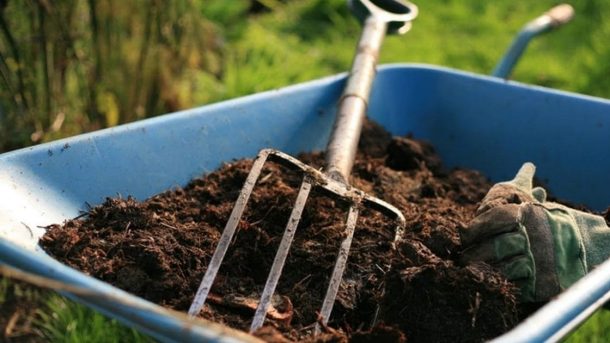
Parthenium compost is a type of bio- fertilizer which has no harmful effects on crops, human – beings and environment. Parthenin, a poisonous chemical of Parthenium is fully degraded during the formation of compost. Parthenium compost is a balanced bio fertilizer which has more nitrogen, phosphorous, potash than that of farm yard manure. Some essential Manure micronutrients are also present in it. Parthenium compost is an eco-friendly bio fertilizer that can be made by low-cost inputs and application of it in crop fields will increase the fertility of soil.
Organic Inputs
How parthenium compost sieving is done?
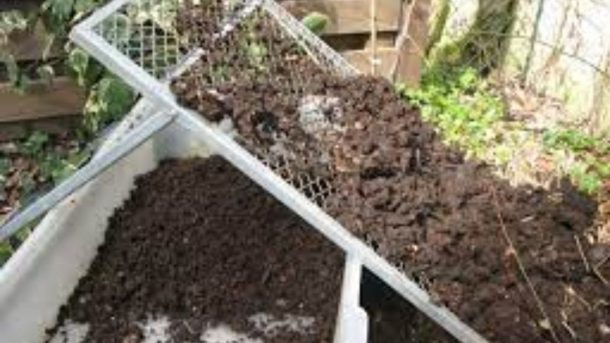
After removal of compost from pit we may find some stems which give impression that Parthenium plants have not so been decomposed yet. But actually, it is well decomposed. Spread that compost in the shady place to dry it. Coming in contact with air, soon wet of compost becomes dry and crumpled. Make a heap of this so dry compost. If still thick pieces of Parthenium stems are seen in the compost, beat them with the sticks. Sieve that compost with 2x2cm size mesh. For selling point of view, make packets of 1, 2, 3, 5 kg for kitchen garden and 25-50 kg for crops and horticulture.
What is the procedure to make compost from parthenium?
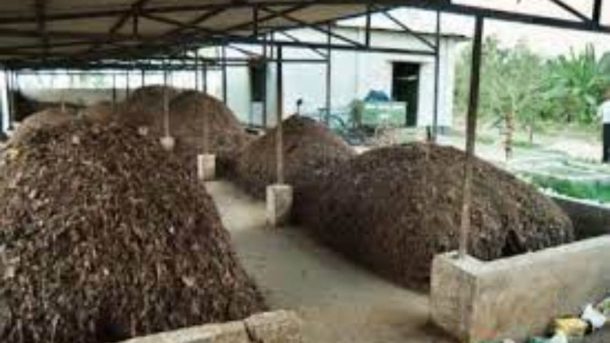
Following procedure can be followed for making Parthenium compost:
Make a pit of 3x 6x10feet (depth x width x length) at a place where water dose not stagnate. Pit size can be increased or decreased but depth cannot be compromised. If possible, cover the surface and sidewalls of the pit with stone chips. It will protect absorption of essential nutrient of compost by the soil surface. If stone cheep is not available, make soil surface compact. Arrange about 100 kg dung, 10 kg urea or rock phosphate, soil (1-2 Quintals) and one drum of water near the pit. Collect all the Parthenium plants from your field and nearby area. Spread about 50 kg of Parthenium on the surface of pit. Over this sprinkle 500 gm urea or 3 kg rock phosphate. If possible, add Trichoderma viridi or Trichoderma harziana (kind of fungi cultured powder) in the amount of 50 gm per layer. All the above constituents will make one layer. Like first layer make several layers till the pit is filled up to 1 fit high from the ground surface. Fill the pit in dome shape. While making layers, apply pressure by feet to make weed biomass compact. If there is no soil with Parthenium roots than add 1012kg of loamy soil on each layer. When pit is full with above-described layers then cover it with mixture of cow dung, soil and husk. After 4-5 months we can get well decomposed compost. We can get 37–45% of compost from 37-42 quintals of Parthenium biomass.
In which method parthenium can be made into compost?
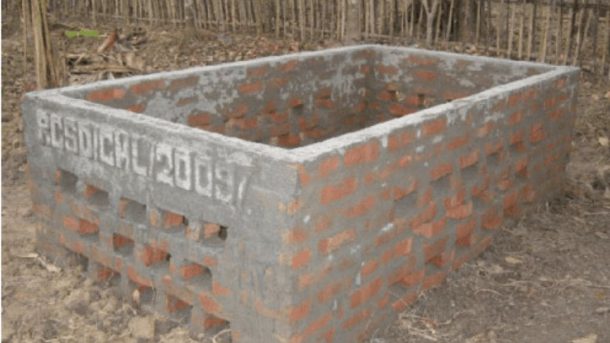
It is always recommended by the scientists to collect the parthenium biomass before flowering for making compost either by NADEP or open pit method. But it is not practically possible to collect only flowerless plants as all the stages of Parthenium are available at any time due to non-dormancy of seeds which may germinate on the availability of water. Therefore, farmers are bound to uproot every stage of Parthenium during weeding in their fields.
How to utilize parthenium to make compost?
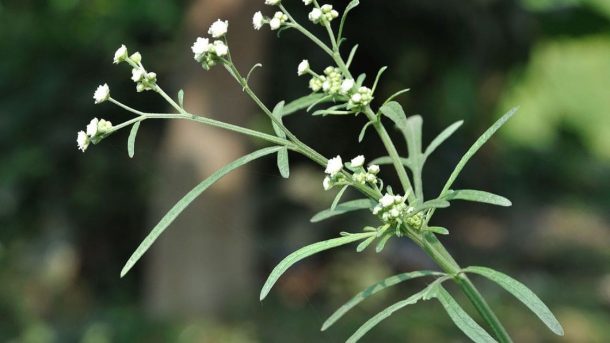
Parthenium hysteroforus commonly known as Congress grass, Carrot grass, Chatak Chandni etc. is a menace to farmland, human-beings, animals, environment and biodiversity. About 35 million hectare of land is so infested with Parthenium. Previously it was a problem of waste and barren land but now Parthenium is a big problem in each and every crop field, orchards and even in the forest.
Due to continuous and large-scale use of chemical fertilizers, fertility of land is decreasing gradually. Therefore, bio-fertilizer is a boon for soil health. The demand of bio-fertilizer is increasing day by day. We can make bio-fertilizer from abundantly occurred biomass of Parthenium. By making use of this weed, at one hand we can increase the productivity of our crop land by weeding out of this weed while at other hand we can even earn money by making compost on commercial basis from this waste material.
What are the benefits of using Dasagavya?
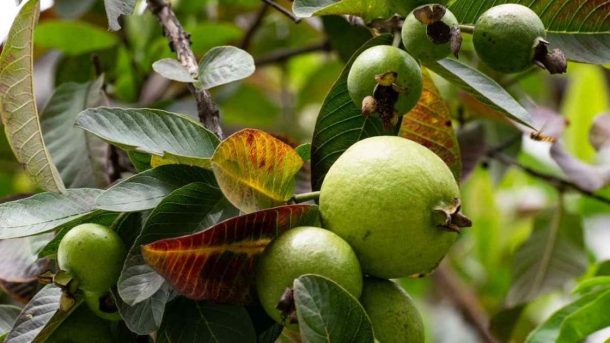
The benefits of using Dasagavya are helps to increase growth, yield and quality of the crops. Controls pests like aphids, thrips, mites and other sucking pests. Controls diseases like leaf spot, leaf blight, powdery mildew etc.
How to prepare Dasagavya?
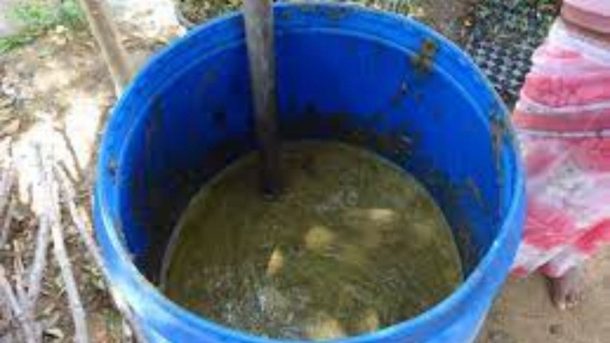
Extracts are prepare by separately soaking the foliage in cow urine in 1:1 ratio (1 kg chopped leaves in 1 litre cow urine) for ten days. The filtered extracts of all the plants are then added @ 1 litre each to 5 litres of the panchagavya solution. The mixture is kept for 25 days and stirred well, meanwhile, to ensure thorough mixing of panchagavya and the plant extracts.
What is Dasagavya?
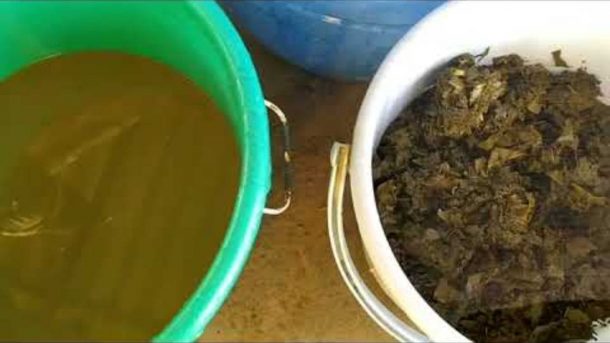
Dasagavya is an organic preparation made from ten products in the form of panchagavya and certain plant extracts. “Gavya” is the term given to cow’s products comprising of cow dung, cow urine, cow’s milk, curd and ghee, which have miraculous effects on plant growth when suitably mixed.
The Horticultural research station, Ooty, Tamil Nadu has identified certain plant species for the temperate regions, viz., Artemisia nilagirica, Leucas aspera, Lantana camera, Datura metal and Phytolacca dulcamera. Dasagavya is commonly available weed plants in the district, found abundantly along roadsides and in wastelands. The plants recommended for the tropical areas are neem (Azadirachta indica), erukam (Calotrophis), Kolingi (Tephrosia purpurea), notchi (Vitex negundo), umathai (Datura metel), Katamanaku (Jatropha curcas), adathoda (Adathoda vasica) and pungam (Pongamia pinnata). Since management of these can be made best use of in agriculture, as effective agents against certain pests and diseases.
What are the manures and Fertilizers required for Cauliflower Farming?
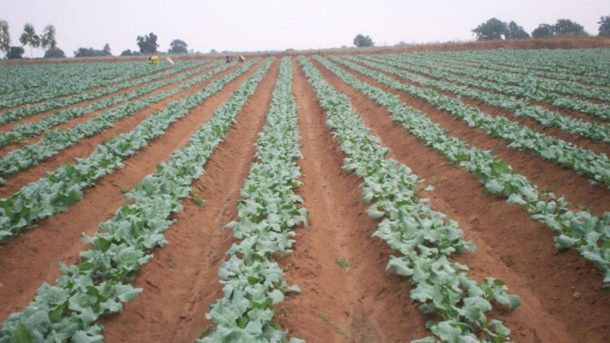
For best result 15-20 tons of Farm Yard Manure (FYM) or any compost should be added the soil about Four weeks before transplanting in preparation of soil. 100 kg of N, 50 kg of P205 /ha should be applied in Cauliflower cultivation.
What are the manures and fertilizers required for Growing Holy Basil?
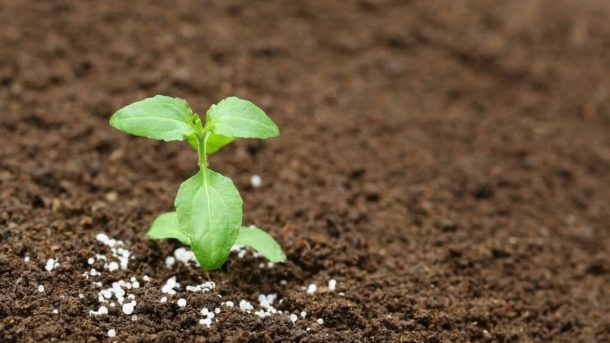
Basil plants are good feeders of manures and fertilizers. Timely application of fertilizers ensures the highest yields and quality oil. Avoid any pesticides and chemicals to control abnormal conditions o the plants. If it is required, use only organic certified fertilizers. Apart from FYM used during land preparation, the recommended inorganic fertilizer application for growing basil crop is 120:60:60 kg/ha of N:P: K or Nitrogen: Phosphorus: Potash (N: P: K): 48:24:24 kg per acre should be applied.