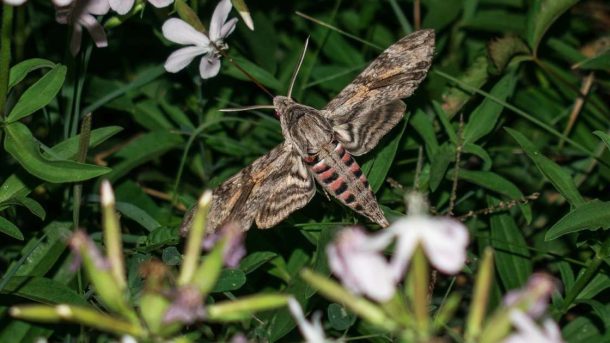
Corcyra moth collector is used in order to mass-produce biological control agents. It is used to collect corcyra moths with the least amount of health risk. As collecting time is minimised, productivity rises. This type of collectors ensures that the moth is collected without being harmed.
Pests
How gall caterpillar attack amla plant ?
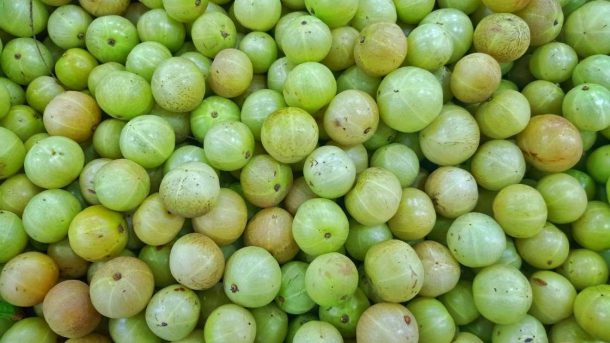
During the wet season, young caterpillars burrow into the apical section of the shoot and create tunnels. As a result, apical regrowth is inhibited, side shoots sprout beneath the gall, and future development in the next season is impeded significantly. The pest will be controlled by cutting off the affected apices and using a systemic insecticide like Dimethoate 0.03 percent as a preventative measure.
What are the symptoms of uzifly attack on silkworm ?
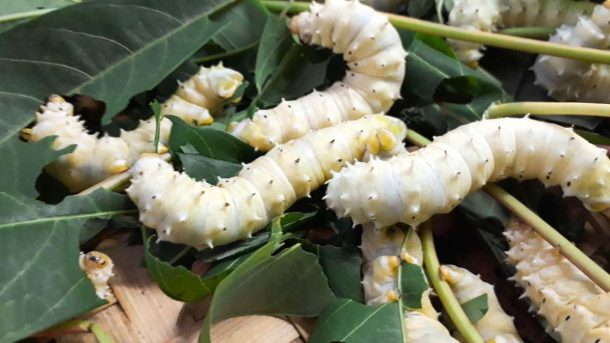
Symptoms of uzifly attack include presence of creamy white oval eggs on the skin of larvae in the initial stage, and presence of black scar on the larval skin. Silkworm larvae die before they reach the spinning stage (if they are attacked in the early stage). In later stage, pierced cocoon is noticed. Throughout the year, severity is more in winter months.
How to control bud borer in carnation ?

Collection and destruction of larvae reduces further infestation. Spray quinalphos 25 EC @ 2ml/l or methyl parathion 50 EC @ 1 ml/l or endosulphan 35 EC @ 2 ml/l at 15 days interval. Spray indoxacarb 14.5 SC @ 1 ml/l or thiodicarb 75 WP @ 1g/l if the incidence is severe. Spraying of of HaNPV (Helicoverpa armigera Nuclear Polyhedrosis Virus) @ 250 LE/ha followed by neem formulations1-2 ml/l or neem seed kernel extract 40g/l.
How red cotton bug attacks cotton bolls ?
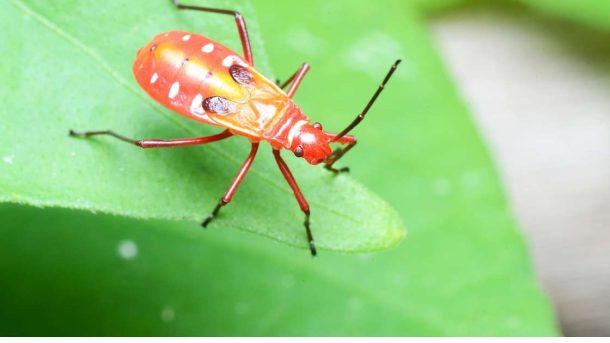
The sap from the green bolls is sucked by insects. At the same time, the fluid leaking from its body promotes the growth of bacteria and fungus, lowering the quality of cotton. The problem appears to be worsening from January forward. Because this pest is also found in harvested cotton, the price of cotton bales suffers as a result of red spots on the cotton during the ginning process. Pests have been on the rise for the past 4-5 years.
How sucking insects damage plants ?
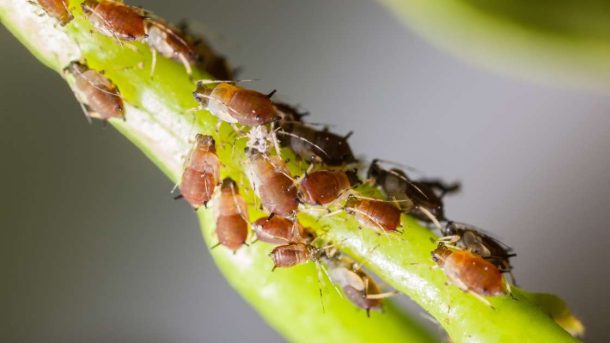
Sucking insects deplete plant strength by removing cell contents (e.g., thrips) or sap (e.g., aphids, leafhoppers, scales, etc.). Sucking insects pump salivary secretions into plants in some cases. This substance can either harm plants (as indicated by armoured scale feeding), generate galls (as seen in gall aphids), or destroy sections of a leaf (as seen in leafhopper “burn”). Water and carbohydrates are consumed in greater quantities by sucking insects than amino acids. The introduction of sucking mouthparts into plants increases the risk of plant disease organisms being transmitted. Sucking insects that move among plants, such as leafhoppers, can spread mycoplasma-like organisms that cause Peach X-disease and aster yellows.
How insects injure plants ?
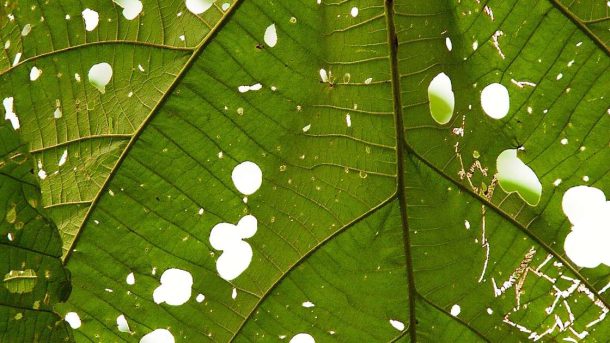
Insects feed on plant leaves, stems, roots, and flowers. The contaminated sections are really consumed by the chewing insects. Pit feeding on leaves by leaf beetles, flea beetles, and immature caterpillars are examples of leaf eating by chewing insects. Weevils, bigger caterpillars, grasshoppers, and katydids are the most common culprits for irregular scratches along the edges of leaves. The presence of leaf cutter bees is indicated by perfect semicircular cut pieces of leaves. Mining is the process of feeding only on the contents of leaves. Beetles, flies, sawflies, and moths are all home to leaf miners.