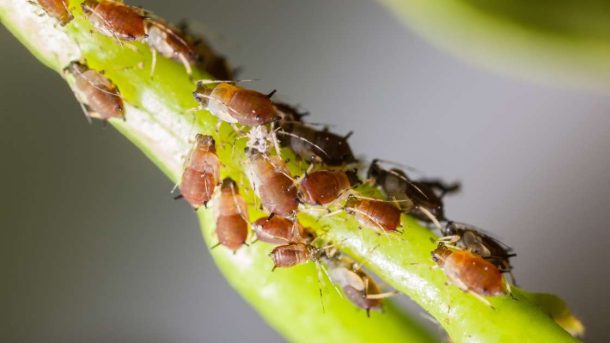
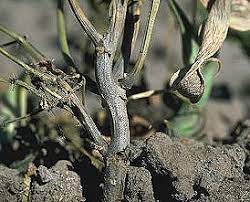
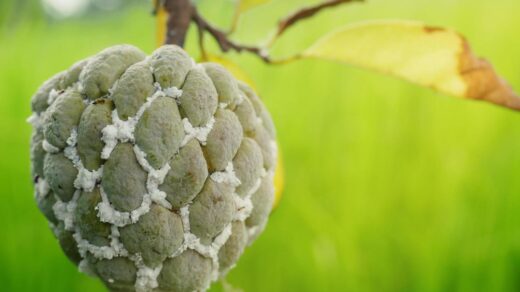
Sucking insects deplete plant strength by removing cell contents (e.g., thrips) or sap (e.g., aphids, leafhoppers, scales, etc.). Sucking insects pump salivary secretions into plants in some cases. This substance can either harm plants (as indicated by armoured scale feeding), generate galls (as seen in gall aphids), or destroy sections of a leaf (as seen in leafhopper “burn”). Water and carbohydrates are consumed in greater quantities by sucking insects than amino acids. The introduction of sucking mouthparts into plants increases the risk of plant disease organisms being transmitted. Sucking insects that move among plants, such as leafhoppers, can spread mycoplasma-like organisms that cause Peach X-disease and aster yellows.
How sucking insects damage plants ?