Soil

What are the challenges associated with soil erosion and degradation in the agricultural sector?

soil erosion

The nutrient-rich topsoil layer, which is essential for plant growth, is lost due to soil erosion. The reduction in soil fertility caused by topsoil loss lowers crop output and increases reliance on synthetic fertilizers.

Reduced Water Infiltration and Water Holding Capacity: The capacity of eroded soils to absorb and hold water is reduced. Reduced soil moisture availability for plant uptake, increased surface runoff, and decreased water infiltration are the results of this. It may cause crops to run out of water and intensify the effects of drought.

Reduced Soil Organic Matter: The organic material in the topsoil is frequently removed by erosive processes, despite the fact that this material is crucial for soil structure, nitrogen cycling, and water-holding capacity. Low quantities of organic matter lead to unfavorable soil properties, decreased soil fertility and increased erosion susceptibility.

Decline in Soil Structure and Aggregation: Erosion ruins soil aggregates and disturbs soil structure. This has a negative effect on plant growth because it affects soil porosity, hinders root infiltration, and restricts air and water circulation.
What are the major challenges faced by small-scale farmers in the agriculture sector?

small-scale farmers

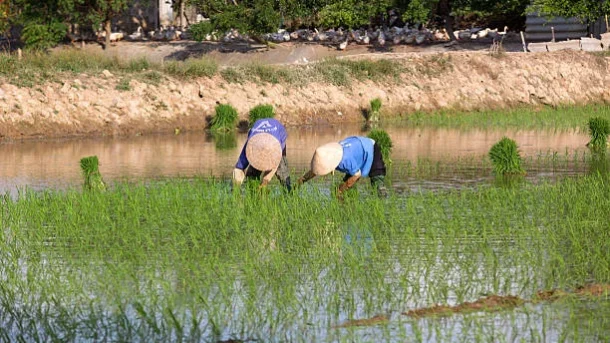
Limited Access: Small-scale farmers frequently lack access to crucial resources including land, water, and money. They are unable to expand their farming operations or make investments in cutting-edge agricultural products and technologies because they lack access to loans and secure land tenure.

Climate Change and Environmental Risks: Small-scale farmers are especially susceptible to the effects of climate change, which might include unexpected weather patterns, droughts, floods, and outbreaks of pests and diseases. Crop failure, animal losses, and decreased agricultural production can result from these environmental threats.

Lack of Technological Advancements: Access to cutting-edge agricultural technologies, machinery, and equipment is frequently limited for small-scale farmer. Their inability to embrace innovative approaches is hampered by a lack of information and training on better farming practices, which lowers their production and competitiveness.

Market Access and Price Volatility: Small-scale farmers frequently encounter difficulties finding dependable markets and promoting their products. They are more vulnerable to pricing volatility, unfair trading practices, and market swings due to their weaker negotiating position and lack of market knowledge, which lowers their revenues and profitability.

What are the advancements in agricultural waste management and circular economy practices?

agricultural waste

Anaerobic digestion is a technique that can turn agricultural waste into sustainable energy sources, including crop residues, animal manure, and byproducts of the food processing industry. This waste is utilized in biogas facilities to create biogas, which can be used to generate power, heat homes, or as a biofuel for automobiles. Anaerobic digestion produces digestate, an organic fertilizer that is nutrient-rich.

Composting and the creation of organic fertilizers: Composting is a method that is frequently used to manage agricultural waste. Organic wastes including agricultural residues, plant trimmings, and animal manure are transformed into nutrient-rich compost through controlled decomposition. The use of this compost as a soil amendment will enhance soil structure and fertility while decreasing the demand for artificial fertilizers.

Recovery and Recycling of Nutrients: Recovery and recycling of nutrients from agricultural waste is made possible by nutrient recovery technologies, such as nutrient extraction and nutrient capture from waste streams. These recovered nutrients can be utilized on farms to lessen dependency on synthetic fertilizers or converted into commercial fertilizers. This strategy lessens nutrient discharge and closes nutrient cycles, reducing water pollution.

Crop stalks, husks, and pruning’s are examples of agricultural wastes that can be used for the generation of biomass and bioenergy. Biomass can be burned directly to provide heat and power or processed into biofuels like ethanol and biodiesel. Farmers may decrease waste, balance their use of fossil fuels, and contribute to a more sustainable energy sector by using agricultural wastes to produce bioenergy.

How are farmers adopting agroecological practices for biodiversity conservation?

biodiversity

Crop Diversity: By adding a greater diversity of crop species, types, and landraces, farmers are enhancing biodiversity in their cropping systems. This lowers the possibility of pest and disease outbreaks, promotes a diversity of pollinators and helpful insects, and aids in the creation of various habitats. Crop variety also improves the health of the soil, the cycling of nutrients, and the demand for outside inputs.

Agroforestry: Agroforestry is the practice of combining trees or shrubs with animals or crops on the same piece of land. Farmers can create more habitats, enhance biodiversity, and improve microclimate conditions by adding trees into their agricultural landscapes. Agroforestry systems also help to produce a variety of goods, including lumber, fruits, and feed, which benefits farmers financially.

Conservation of Habitat: Farmers are designating areas on their properties for the preservation of habitat. Field margins, buffer zones, hedgerows, and fallow fields are a few examples of these places. These ecosystems provide as a haven for helpful animals including birds, insects, and other wildlife, which promotes biodiversity and helps with natural pest management. Some farmers also build wetlands or ponds on their properties, which are crucial breeding grounds for amphibians and aquatic life.

Natural Pest Control: Agroecological approaches put a lot of emphasis on encouraging beneficial insects, birds, and other naturally occurring pest enemies in order to promote natural pest control mechanisms. Farmers can entice beneficial organisms by offering nesting places, food sources, and shelters. As a result, the agroecosystem’s ecological balance is supported and the use of chemical pesticides is decreased.

What are the implications of changing land use and deforestation for agriculture?

deforestation

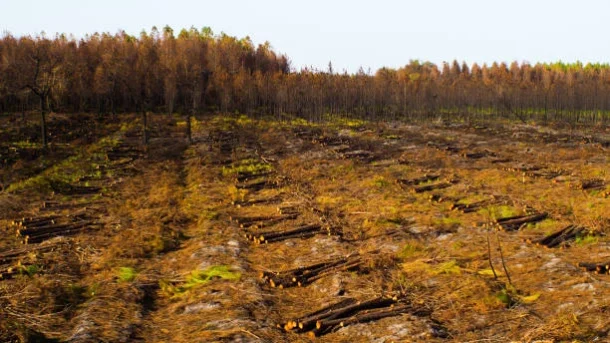
Loss of Agricultural Land: Deforestation frequently entails the clearance of trees for other land uses like agriculture, infrastructure construction, or urbanization. As a result, valuable agricultural land is lost, lowering the amount of land that may be used to grow food. Farmers may thus encounter difficulties when they try to increase agricultural production and satisfy the rising food demand.

Environmental Impact: Deforestation causes biodiversity loss and environmental degradation. In order to preserve ecosystem equilibrium, provide home for wildlife, and support fundamental ecological processes, forests are necessary. Loss of important ecosystem services, soil erosion, water pollution, and reduced water availability can all result from the clearing of forests for agricultural purposes. Agriculture’s productivity and sustainability may be significantly impacted by this.

Land use changes and deforestation both contribute to climate change. By removing and storing carbon dioxide from the atmosphere, forests serve as carbon sinks. When forests are cut down, the carbon that has been stored there is released, which increases greenhouse gas emissions. Deforestation also disturbs regional and local climate patterns, influencing temperature regulation, rainfall patterns, and general climatic conditions that are essential for agricultural output.

Biodiversity loss is a result of deforestation, which causes many different plant and animal species to lose their habitats. Compared to natural ecosystems, agricultural landscapes often have reduced biodiversity. The loss of biodiversity can alter the ecological balance, have an impact on pollination, insect management, nutrient cycling, and make agriculture more susceptible to pests and illnesses.

How are farmers adopting climate-resilient crops and farming systems?

climate

Crop Diversification: By cultivating a range of crops with various levels of climatic adaptation, farmers are diversifying their crop portfolios. This strategy lessens the danger brought on by climatic variation and extreme weather occurrences. Farmers can increase their ability to adapt to changing climatic conditions and diversify their sources of revenue by growing a variety of crops.

Crop types that are particularly bred or chosen for their resistance to climatic stressors including drought, heat, floods, and pests are becoming more and more popular among farmers. Extreme temperature tolerance, better water use efficiency, disease resistance, and early maturity are just a few of the characteristics these types possess. Farmers can lessen the detrimental effects of climate change on food production by selecting crop types that are climate-resilient.

Conservation Agriculture: Techniques for conservation agriculture are becoming more and more popular, including no-till or reduced tillage, crop residue management, and cover crops. The resilience of farming systems to climate change is increased by these techniques, which help to improve soil health, water retention, and carbon sequestration. Additionally, conservation agriculture improves nutrient cycling, prevents soil erosion, and preserves moisture.

What are the current discussions on the impact of agriculture on climate change?

agriculture

Greenhouse Gas Emissions: Agriculture is a major source of greenhouse gas (GHG) emissions, particularly through the production of nitrous oxide (from fertilizers and manure management) and methane (from cattle and rice agriculture). Strategies to lower these emissions are discussed, including better fertilizer management, the adoption of low-emission livestock systems, and the promotion of more environmentally friendly rice growing methods.

A considerable amount of carbon dioxide is released into the atmosphere as a result of deforestation and land use change caused by agriculture, particularly the expansion of agricultural land. The discussions center on stopping deforestation, safeguarding forests and other natural ecosystems, and encouraging climate change mitigation strategies including agroforestry and replanting.

Discussions have focused on how agriculture has the ability to store carbon in soils, which can reduce greenhouse gas emissions. Improved soil health can aid in carbon sequestration and increase agricultural sustainability through techniques including cover crops, conservation tillage, and organic matter additions.

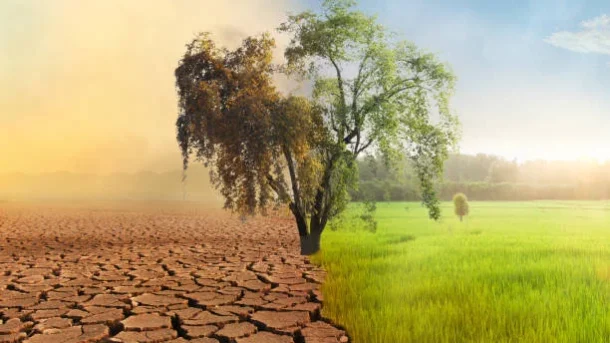
Adaptation and Resilience: Agricultural systems face difficulties as a result of climate change effects such as altered precipitation patterns, an increase in the frequency of extreme weather events, and temperature swings. The adoption of climate-resilient crop varieties, water management techniques, and system diversification are just a few examples of how resilience and adaptive ability are being built into agricultural practices and systems.

What are the advancements in soil health management and regenerative practices?

advancements

Cover Cropping: To cover and protect the soil, particular plant species are typically planted, either in between cash crops or during fallow times. Through this technique, soil structure is enhanced, organic matter content is increased, erosion is decreased, water infiltration is improved, and habitat for beneficial creatures is created. The creation of cover crop mixtures adapted to particular soil and climatic conditions as well as the use of precision planting methods for the best cover crop establishment are examples of advancements.

Reduced or no conventional plowing or tilling is used in conservation tillage techniques to lessen soil disturbance. This maintains soil structure, reduces erosion, boosts water retention, and encourages microbial activity. Development of specialized tools and methods, like strip tillage and no-till planting, are among the conservation tillage advancements.

Precision nutrient management and soil testing: Soil testing has evolved with the use of cutting-edge analytical techniques to more precisely analyze soil fertility and nutrient levels. Precision nutrient management approaches, such as site-specific nutrient recommendations and variable rate fertilizer application, aid in maximizing nutrient usage effectiveness, minimizing nutrient losses, and minimizing environmental effects.

How are emerging technologies like 3D printing being applied in agriculture?

3D printing

Equipment prototyping and production: 3D printing makes it possible to produce agricultural machinery and equipment parts quickly. It enables for the easy iteration and modification of specially developed components. As a result, conventional manufacturing techniques have shorter lead times and lower prices, which encourage creativity and experimentation in the creation of new equipment.

Equipment for Precision Farming: 3D printing can be used to make sensors and equipment for precision farming. Farmers may gather real-time data and make educated decisions regarding irrigation, nutrient application, and crop management by using 3D printed customized sensor mounts, drone parts, and soil moisture probes.

Infrastructure for Agriculture: Using 3D printing, agricultural infrastructure such as greenhouses, hydroponic systems, and animal shelters may be built and customized. With the help of this technology, designs may be made flexible and modular so they can adjust to certain environmental circumstances and crop needs.

Food Production: The production and personalization of food may be transformed through 3D printing. It can be utilized to provide individualized nutrition solutions, including 3D-printed supplements and foods high in nutrients. Furthermore, using create complex food designs and forms can improve presentation and culinary innovation.

What are the efforts to promote sustainable land use and ecosystem conservation?

ecosystem

International Accords and Conventions: International pacts like the UN Convention on Biological Diversity (CBD) and the UN Framework Convention on Climate Change (UNFCCC) are essential for advancing ecological preservation and sustainable land use. For governments to protect and restore ecosystem, preserve biodiversity, and lower greenhouse gas emissions from land-use changes, these accords set goals and frameworks.

Protected Areas and National Parks: It is commonly accepted that the best way to preserve ecosystem and biodiversity is to create and extend protected areas and national parks. These places protect vital habitats, provide refuge for extinct species, and aid in scientific and educational endeavors. To construct and manage protected areas, governments, nongovernmental organizations, and international organizations collaborate.

Balance between the economic, social, and ecological elements of using forests is the goal of sustainable forest management techniques. This entails obtaining both timber and non-timber forest products while promoting reforestation, halting deforestation, and safeguarding biodiversity. Responsible forest management is encouraged by certification schemes like the Forest Stewardship Council (FSC).

Reforestation vs afforestation: Reforestation is the practice of replanting trees in previously deforested areas, whilst afforestation is the practice of planting trees in places that have never been covered by forests. These programs aid in stopping deforestation, boosting carbon sequestration, and restoring ecosystems.