Soil

How are farmers adapting to changing agreements and geopolitical dynamics?

farmers

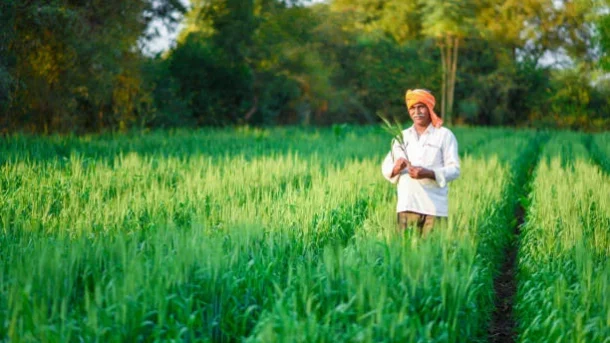
Supportive Regulations and Permitting Procedures: To make urban agriculture activities easier, governments are streamlining regulations and permit procedures for farmers. This entails streamlining the application process for permits and removing obstacles relating to zoning compliance, water usage, waste management, and land use regulations. Some localities have enacted licenses or permits for urban farming that are specific to the requirements and needs of urban agriculture.

Enhancing home Market Presence: In order to lessen their reliance on international trade, farmers are concentrating on enhancing their home market presence. They look at community-supported agriculture (CSA) programs, farmers markets, direct-to-consumer sales, and local marketing channels. Even in the face of disruptions in commerce, this strategy aids farmers in maintaining a steady market base.

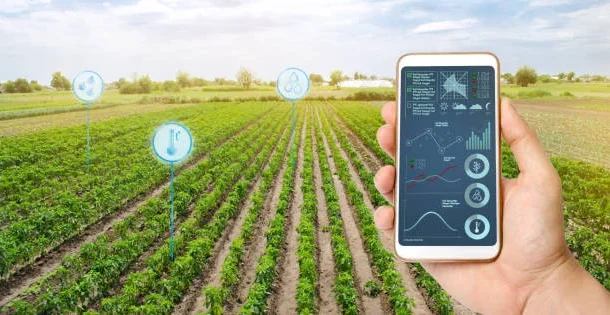
Adopting Technology and Innovation: In order to increase their competitiveness on the global market, they are embracing technology and innovation. They make investments in precision agriculture methods, make use of cutting-edge machinery and equipment, make decisions using data, and practice sustainable farming methods. Farmers may increase output, cut expenses, and produce goods that are up to par with global standards by utilizing technology.
What are the recent developments in urban agriculture policy and governance?

urban agriculture

Zoning and land use regulations: In order to support and accommodate urban agriculture, many communities have updated their zoning and land use regulations. This includes setting aside particular areas or pieces of land for agricultural use, allowing for the cultivation of crops, the breeding of small animals, and the keeping of bees inside the boundaries of cities. Zoning amendments may also deal with matters like water rights, access to land, and the incorporation of urban agriculture into urban planning.

Plans and Strategies for Urban Agriculture: Cities are creating thorough plans and strategies to direct the creation of initiatives for urban farming. Goals and objectives for ensuring food security, expanding green space, enhancing sustainability, and fostering community well-being are frequently included in these plans. 

Supportive Regulations and Permitting Procedures: It make activities easier, governments are streamlining regulations and permit procedures. This entails streamlining the application process for permits and removing obstacles relating to zoning compliance, water usage, waste management, and land use regulations. Some localities have enacted licenses or permits for urban farming that are specific to the requirements and needs of urban agriculture.

What are the advancements in digital tools and platforms for farm management and decision support?

digital tools

Digital tools and platforms for decision support and farm management have advanced quickly in recent years, giving farmers access to data-driven insights and optimized processes. Here are a few noteworthy developments.

Agricultural Management Software: Today’s software for managing farms provides thorough platforms that incorporate many different areas of agricultural operations. Farmers can track inventory, manage field activities, keep track of observations, keep track of equipment maintenance, handle money, and analyze data using these systems. They offer a central location for farm data, supporting well-informed choices and enhancing operational effectiveness.

Technologies for Precision Agriculture: Digital tools and platforms have completely changed the way precision agriculture is done. Accurate field mapping and boundary delineation are made possible by the Global Positioning System (GPS) and satellite photography. Real-time information on soil moisture, temperature, and nutrient concentrations is gathered via sensors built into machinery and equipment.

How are farmers using satellite imagery and GIS for land management and monitoring?

imagery

Farmers are using Geographic Information System (GIS) technology and satellite imagery more and more for land management and monitoring. Here are some significant applications of these technologies:

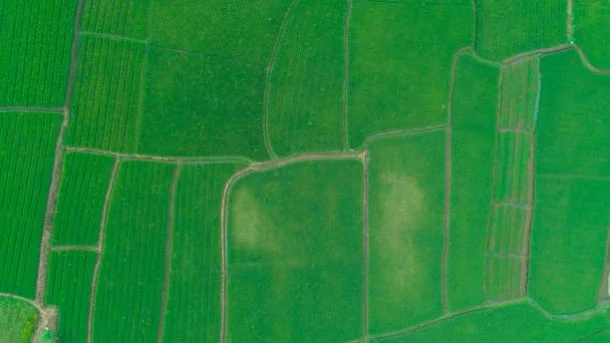
Crop monitoring and yield estimation are made possible by satellite imagery, which gives farmers a bird’s-eye perspective of their fields and enables them to track crop development, identify stress factors, and calculate yields. Farmers can spot changes in crop health, nutritional deficits, pest infestations, and disease outbreaks by examining satellite photos. They can use this knowledge to make educated decisions about irrigation, fertilizer use, and pest control, which results in more effective resource management and higher crop output.

GIS and satellite imagery are essential components of precision agriculture techniques. Farmers can improve yields by combining information from satellite pictures, soil sensors, and other sources.

Crop Rotation and Land Use Planning: GIS and satellite imagery help with crop rotation and land use planning techniques. Farmers can evaluate the viability of various regions of their property for particular crops based on criteria like soil type, terrain, and drainage by analyzing historical and current satellite pictures. In order to reduce disease pressure, nitrogen depletion, and soil erosion while increasing yields and maintaining soil health, farmers can use GIS technologies to construct the best crop rotation schedules.

Irrigation management: GIS and satellite-based data are useful resources for enhancing irrigation procedures. Farmers may determine the amount of water crops will need and keep track of the soil moisture levels in their fields by combining satellite photography, weather information, and evapotranspiration models. This knowledge enables them to more accurately plan irrigation, preventing under- or over-irrigation, minimizing water waste.

How is the concept of agroforestry being integrated into climate change mitigation strategies?

climate change mitigation

Agroforestry is increasingly recognized as a valuable approach for climate change mitigation due to its potential to sequester carbon, enhance resilience, and promote sustainable land management. Here are some ways in which the concept of agroforestry is being integrated into climate change mitigation strategies:

Carbon Sequestration: Agroforestry systems, with their combination of trees, crops, and/or livestock, have the capacity to sequester significant amounts of carbon in both above-ground biomass and soil. Trees in agroforestry systems capture and store carbon dioxide from the atmosphere, reducing greenhouse gas concentrations. Agroforestry practices such as silvopasture (integrating trees and livestock), alley cropping (trees intercropped with crops), and forest farming (cultivating crops under the shade of trees) can effectively contribute to carbon sequestration.

Reduced Emissions from Deforestation and Forest Degradation (REDD+): Agroforestry plays a crucial role in REDD+ initiatives, which aim to reduce carbon emissions from deforestation and forest degradation. By promoting agroforestry practices, which offer alternative land uses to slash-and-burn agriculture and forest clearance, countries can mitigate greenhouse gas emissions while simultaneously meeting agricultural and livelihood needs.

Agroforestry is a crucial part of climate-smart agriculture, a strategy that attempts to boost agricultural output, improve climate change resistance, and lower greenhouse gas emissions. Agroforestry practices offer a variety of advantages, including improved water management, increased biodiversity, and varied income streams. These advantages help make agricultural systems more resilient to climate change mitigation overall.

Agroforestry contributes to sustainable land management by promoting water retention, minimizing erosion, and improving soil health. In agroforestry systems, the presence of trees aids in preventing soil erosion, promoting nutrient cycling, and increasing organic matter content, improving soil structure and fertility. By storing carbon in the soil and requiring fewer chemical inputs, this helps to mitigate climate change mitigation.

What are the implications of urbanization on agricultural land use and productivity?

urbanization

Urbanization has several implications for agricultural land use and productivity. Here are some key implications:

Land Conversion: Urbanization often leads to the conversion of agricultural land into residential, commercial, or industrial areas. As cities expand and population density increases, agricultural land is gradually transformed into urban infrastructure, including buildings, roads, and other urban amenities. This conversion reduces the total area of available agricultural land, leading to a decline in agricultural production capacity.

Fragmentation and Loss of Agricultural Land: Urbanization can result in the fragmentation of agricultural land into smaller parcels due to land subdivision and development. Fragmentation makes it challenging for farmers to maintain viable agricultural operations and implement efficient land management practices. Moreover, the encroachment of urban areas can lead to the complete loss of agricultural land, further reducing the overall agricultural productivity of the region.

Urbanization frequently generates demand for surrounding agricultural land to supply food and other agricultural products to the expanding urban population. This puts pressure on productive agricultural land. As a result, there might be more pressure to convert fertile agricultural land that is adjacent to cities. This may result in the loss of irrigated, fertile land, which could have an impact on potential agricultural output and food production.

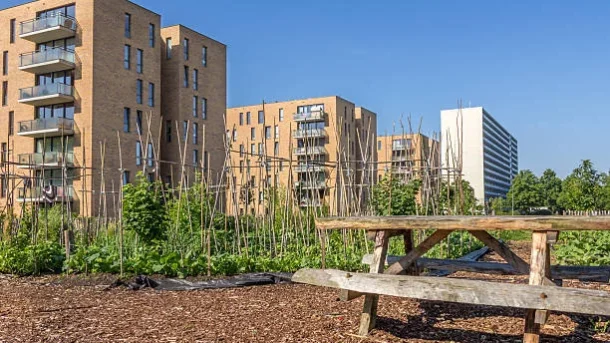
Farming practices might change as a result of urbanization as conventional agricultural systems are modified or replaced to meet the needs and restrictions of the city. For instance, high-value crops or horticulture may become the focus of commercial farming as these industries might be more lucrative in urban markets. Additionally, to make use of the limited urban space, urban agriculture techniques like rooftop gardens, vertical farming, or community gardens may emerge.

How are farmers adapting to changing weather patterns and extreme events?

weather

In order to adjust to shifting weather patterns and harsh events, farmers all around the world are putting numerous ideas and practices into practice. Here are some typical adaptation strategies, though specific methods may vary depending on region, the amount of resources available, and the size of the farm:

Crop diversification: To lessen sensitivity to particular weather conditions, farmers are choosing a wider variety of crops. Farmers can lessen the effect of extreme weather events on their overall agricultural productivity by producing a variety of crops with differing tolerances to drought, heat, or heavy rainfall.

Improved Water Management: During dry spells, farmers can deal with water scarcity by using irrigation systems, water conservation methods, and effective water use. However, installing drainage systems and enhancing water storage can help with managing

Minimal tillage, cover crops, and crop residue management are examples of conservation agricultural practices that can enhance soil health and water retention. These methods improve the soil’s capacity to soak up and hold onto water during dry spells while lowering soil erosion during heavy downpours.

Agroforestry and Windbreaks: Farmers can protect their crops from damaging winds and lessen soil erosion by planting trees or constructing wind breaks. Agroforestry systems, which integrate trees and crops, can offer extra advantages including shade, shelter from the wind, and increased biodiversity.

What are the current debates on land rights and tenure in agriculture?

land rights

Land rights and tenure in agriculture have been the subject of numerous discussions as of my knowledge cutoff in September 2021. I am unable to give current information, but I can give an overview of some of the recurring themes and problems that have been discussed in the past. It’s vital to keep in mind that since then, these discussions may have changed or new viewpoints may have appeared. Here are several crucial elements:

Distribution of Land Ownership Rights: The distribution of land ownership rights is a topic of much controversy. This covers topics including extensive land purchases, land concentration, and land reforms. In order to solve social and economic inequities, some advocate for equitable land allocation, while others stress the significance of secure property rights to promote investment and production.

or indigenous peoples and local communities are a topic of constant discussion. These rights should be recognized and upheld. These communities frequently encounter difficulties in enforcing their claims to traditional lands, which results in disputes with authorities, businesses, and other parties. The discussions focus on the requirement for legal frameworks that respect and recognize their traditional forms of land tenure.

Women’s Land Rights: Another important topic of discussion is the gender gap in land tenure and ownership. Women frequently encounter obstacles while trying to obtain and govern land, which limits their access to economic possibilities and overall empowerment. Advocates make the case for laws and changes that support gender-equitable and stop discriminatory behavior.

What are the recent developments in urban farming and rooftop gardens?

rooftop gardens

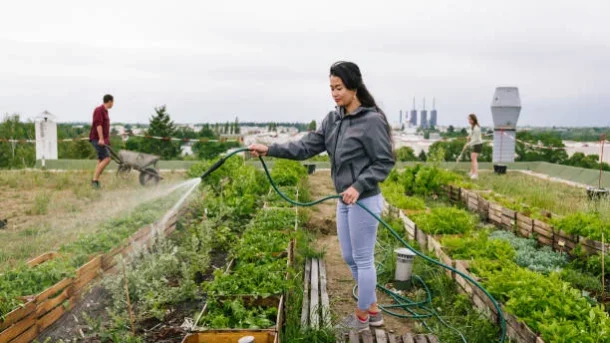
In recent years, urban farming and rooftop gardens have drawn a lot of attention as a way to advance sustainable food production, improve urban green spaces, and increase food security. Here are a few recent changes in this area:

Vertical farming: Using controlled surroundings and artificial lighting, vertical farming entails growing crops in layers that are piled vertically or on surfaces that are inclined vertically. This strategy enables year-round cultivation while maximizing space utilization in urban locations. Utilizing cutting-edge LED lighting, hydroponic or aeroponic systems, and automation technologies to maximize plant growth and resource efficiency are examples of advancements in vertical farming on rooftop gardens.

Aquaponics: In a symbiotic system, aquaponics blends hydroponics (soilless plant cultivation) and aquaculture (fish farming). Fish excrement feeds the plants with nutrients, and the plants filter the water for the fish.

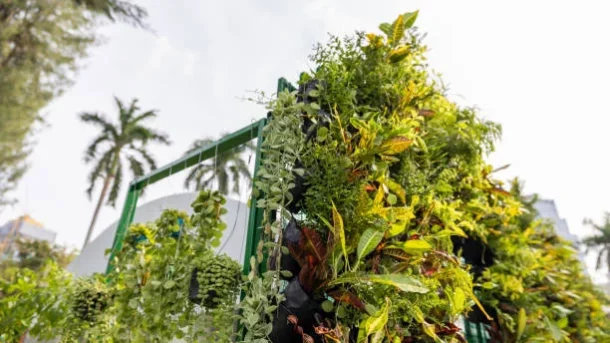
Green Walls and Facades: Green walls, often referred to as vertical gardens or living walls, are covered in vegetation and can be erected on the outsides of buildings or on freestanding structures. They offer numerous advantages like better insulation, increased air quality, and aesthetic appeal. Modular systems, sophisticated irrigation techniques, and the utilization of indigenous and drought-tolerant plant species are examples of advancements in green wall technology.

How is the agriculture sector addressing water pollution and nutrient runoff?

nutrient runoff

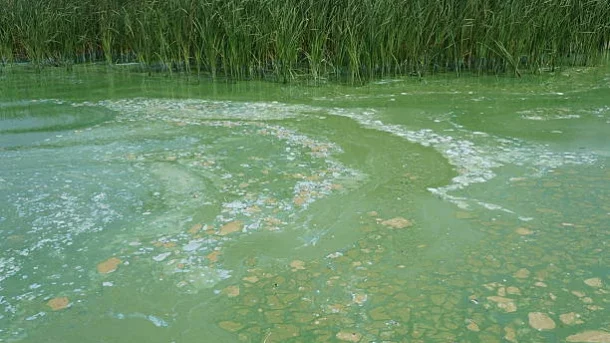
The agriculture industry is implementing a variety of actions to address the serious environmental problems of water contamination, nutrient runoff and fertilizer runoff. Here are some crucial strategies:

Best Management practices (BMPs): BMPs are rules and methods intended to lessen nutrient runoff and water pollution from agricultural activities. Precision nitrogen management, cover crops, conservation tillage, buffer strips, and the use of vegetative filters are some of these techniques. BMPs work to reduce nutrient runoff by minimizing the use of fertilizers and pesticides, reducing soil erosion, and improving water infiltration.

Planning for nutrient use: Planning for nutrient use includes determining the nutrients that crops will need and applying fertilizers in a targeted and effective way. Farmers should minimize the danger of extra nutrients seeping into water bodies by optimizing fertilizer application rates and timing while taking soil conditions, crop nutrient requirements, and nutrient cycling into account.

Setting up conservation and riparian buffer zones alongside water bodies aids in capturing and filtering nutrients before they reach streams and rivers. These vegetated regions serve as a buffer, preventing soil erosion, removing surplus nutrients, and encouraging water infiltration.