Soil

How are sustainable irrigation practices being promoted and adopted?

sustainable

Various techniques and activities are being used to promote and adopt sustainable irrigation practices. Here are some crucial strategies:

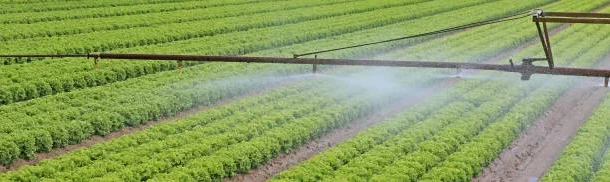
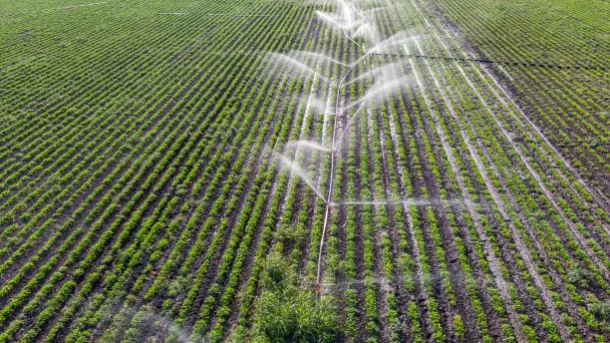
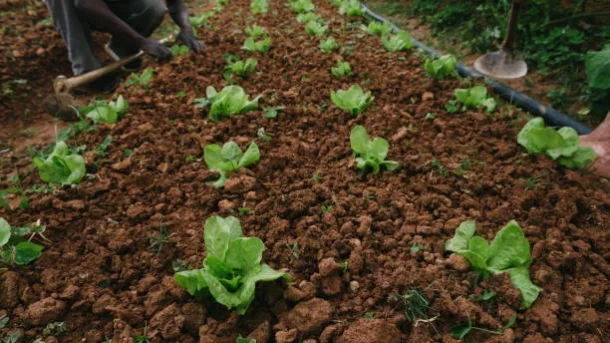
Improved Water Management: Improving farm water management is the first step in promoting sustainable irrigation techniques. Adopting techniques and technology like drip irrigation, precision watering, and micro-sprinklers that maximize water consumption efficiency is part of this. These techniques reduce evaporation and runoff by delivering water directly to the root zone of plants.

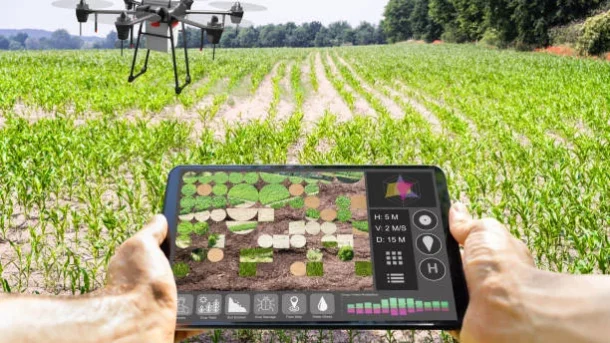
Water-Saving Technologies: Using water-saving technologies is essential for long-term irrigation. Soil moisture monitors, weather-based irrigation controllers, and automated irrigation systems are some of these technologies. With the use of these gadgets, farmers can keep an eye on the weather and soil moisture levels, allowing them to irrigate depending on the actual demands of the crop and minimizing water wastage.

Irrigation Scheduling and Crop Water Needs: Proper irrigation scheduling and crop water needs must be made clear to farmers in order to ensure sustainable irrigation. Farmers may maximize water use and reduce over-irrigation by receiving guidance and training on how to choose irrigation timing, frequency, and duration based on crop growth phases and soil conditions.

Implementing water conservation measures coupled with irrigation can help ensure the long-term sustainability of water consumption. The use of mulching to lower evaporation, improving field levelling and soil preparation to prevent water pooling, and using controlled drainage to keep water in the root zone are a few examples of these practices. It’s crucial to maintain irrigation infrastructure properly to reduce water loss from leaks and inefficiencies.
How is the concept of agroecological zoning being implemented for sustainable land use?

agroecological

Agroecological zoning is a technique for identifying and categorizing various land uses and agricultural practices according to the suitability of each location. By taking into account ecological, social, and economic considerations, it seeks to advance sustainable land use planning. Here are some examples of how agro ecological zoning is put into practice:

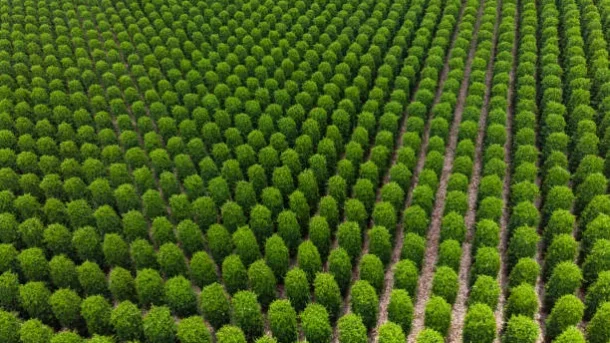
The identification and mapping of agro ecological zones within a region is the first step in agro ecological zoning. Analyzing numerous elements such as climate, soil types, topography, water accessibility, and biodiversity is required for this. These evaluations assist in locating locations with certain agro ecological traits and determining those areas’ potential for various agricultural pursuits.

Planning and management of land uses can benefit from the knowledge provided by agro ecological zoning. Based on their agro ecological potential, it assists in determining the best land uses and farming methods for various regions. This involves selecting appropriate livestock, crops, agroforestry techniques, and conservation sites.

Agroecological zoning encourages the preservation and protection of environmentally vulnerable areas. It aids in identifying and designating as protected zones places with great ecological significance, such as wetlands, forests, or biodiversity hotspots. These places can be protected through zoning, ensuring the continuation of ecosystem services and biodiversity protection.

How are governments and organizations promoting sustainable agriculture in developing countries?

governments and organizations

In order to encourage sustainable agriculture in emerging nations, governments and organizations are essential. They are assisting in this endeavor in the following notable ways:

Support for Policy: Governments are developing laws and rules to promote sustainable agricultural practices. Incentives for the adoption of sustainable farming practices, including organic farming, agroecology, and conservation agriculture, are part of this. Through rules and regulations, governments also support the preservation and sustainable use of natural resources like biodiversity, water, and land.

Governments and organizations provide agricultural extension workers and farmers with training programmes and capacity-building initiatives. These courses impart knowledge and abilities on sustainable farming methods, such as agroforestry, integrated pest management, water management, and soil conservation. By increasing their technical ability,

For farmers to invest in sustainable agriculture, they must have access to financing and credit. Governments and organizations assist small-scale farmers in gaining access to affordable credit and financial services, such as agricultural loans and microcredit. They also encourage the creation of agricultural funds and guarantee programmes that offer funding and risk-reduction for projects promoting sustainable agriculture.

What are the implications of land degradation and soil erosion in agriculture?

land degradation and

Reduced Soil Fertility: The loss of topsoil, which is rich in nutrients essential for plant growth, can be caused by land degradation and soil erosion. Soil fertility declines as a result, which has an impact on agricultural productivity. Lower yields, lower quality agricultural produce, and a greater reliance on synthetic fertilizers can all result from nutrient depletion, which can have negative effects on the environment and the economy.

lower Water Holding Capacity: Because of the loss of organic matter and soil structure, eroded soils frequently have lower water holding capacity. Increased soil moisture deficits and increased irrigation needs may arise from this since water runoff and infiltration may be reduced and increased, respectively. land degradation and soil erosion’s effects on agricultural output might be further exacerbated by a lack of water or by ineffective water management techniques.

The loss of fertile soil and the exposing of less productive subsoil are the results of soil erosion, which is the process by which the top layer of soil is removed by water or wind. Water can carry away eroded soil particles and deposit them in water bodies, generating sedimentation. This sedimentation can harm aquatic ecosystems, degrade the quality of the water, and diminish reservoirs’ ability to store water.

How are farmers adapting to water scarcity and drought conditions?

drought

Soil moisture monitoring: Farmers monitor soil moisture levels and water availability, drought in real-time using sensors and monitoring systems. They can use this information to decide when and how much water to apply with confidence. Farmers may optimise water use and save waste by staying away from over-irrigation and making sure that water is applied only when necessary.

Crop rotation and selection: Farmers rotate their crops and pick crop varieties that are more resilient to water scarcity in arid climates. Crops that can withstand drought, such as some types of sorghum, millet, and some legumes, are grown in regions where water is scarce. Crop rotation practices reduce the overall need for irrigation by alternating crops with differing water requirements, which contributes to efficient water resource management.

In order to adapt to the water shortage and drought circumstances, farmers are using a variety of tactics and using cutting-edge practises. In difficult water-scarce conditions, these modifications seek to maximise water use, increase water efficiency, and preserve agricultural productivity. Here are some crucial strategies that farmers are using.

Modern irrigation techniques that maximise water efficiency are being adopted by farmers more and more. For instance, drip irrigation provides water straight to plant roots, minimising runoff and lowering water loss due to evaporation. In order to focus water application more accurately and make sure that water reaches the crops successfully, other techniques are also utilised, such as sprinkler irrigation, precision sprinklers, and micro-sprinklers.

What are the current issues surrounding genetically modified organisms (GMOs) in agriculture?

modified organisms

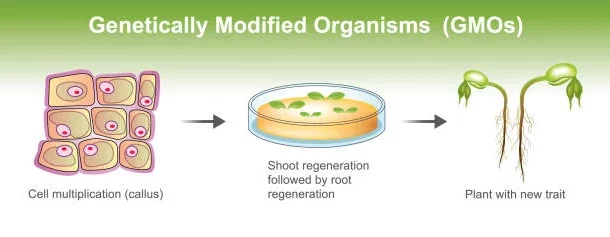
Safety and health: The possible effects of genetically modified organisms GMOs on human and environmental health are among the key issues surrounding them. Genetically modified crops, according to their detractors, may introduce allergies or have unforeseen consequences on human health. Concerns exist over the long-term ecological effects of releasing GMOs into the ecosystem as well.

Consumer choice and labelling: The debate over GMO labelling has been heated. Many customers support the requirement for plain labelling of goods made with genetically modified organisms GMO components, highlighting their right to know what they are buying and ingesting. Transparency in the food supply chain and labelling laws have been discussed and enacted in a number of nations.

Environmental impact: Ecosystems and biodiversity may be impacted by GMOs. Concerns include the spread of altered genes to wild relatives, the emergence of pest and weed resistance, and the decline in crop genetic diversity. GMOs‘ effects on non-target creatures including beneficial insects and soil microbes are a growing area of research and concern.

Intellectual property and control: The ownership of the intellectual property rights in genetically modified seeds is a crucial genetically modified organisms GMO-related concern. Critics claim that the patenting of GMOs and the concentration of seed firms can restrict farmers’ access to seeds, prevent them from saving and replanting seeds, and drive up the price of seeds. The disputes about farmer autonomy and the consolidation of power are intertwined with this problem.

What are the advancements in aquaponics systems for sustainable food production?

advancements

Aquaponics is a cutting-edge and environmentally friendly agricultural technique that combines hydroponics (soilless plant cultivation) and aquaculture (fish farming), Here are some developments in aquaponics systems that help produce food sustainably.

Water, nutrients, and trash are recycled and reused in closed-loop systems, which have been the focus of aquaponics advancements. In these systems, nutrient-absorbing plants are grown in hydroponic beds using water that is circulated from fish tanks. A continuous cycle is created when the water is filtered by the plants and then returned to the fish tanks. Because of its closed-loop system, aquaponics is both very water-efficient and environmentally benign. It also reduces nutritional waste.

Automation and monitoring technology integration: To enhance productivity and optimise operations, aquaponics systems are incorporating automation and monitoring technologies. Water quality indicators like temperature, pH, dissolved oxygen, and nutrient levels are tracked using sensors and controllers. These variables are controlled by automated devices, which guarantee ideal conditions for both fish and plants. The connection improves system management and productivity by reducing the need for human monitoring and intervention.

Aquaponic lighting may now be more energy-efficient and individualised thanks to advancements in LED lighting technology. It is possible to customise LED lighting to meet the unique lighting needs of many plant species, maximising photosynthesis and growth. They use less energy than conventional lighting sources, which lowers overall energy costs and increases the sustainability of aquaponics.

What are the benefits of using precision spraying systems in agriculture?

precision spraying

Reduced Chemical Use: Precision spraying systems precisely identify and target certain plants or problem areas using technologies including sensor-based identification, computer vision, and machine learning algorithms. These systems reduce the use of chemicals by precisely spraying herbicides, insecticides, or fertilisers only where necessary, hence lowering overall chemical usage and minimising environmental effect.

Greater Efficiency: Precision spraying systems allow for accurate and focused application, eliminating overspray and cutting down on waste. As the appropriate amount of chemical is delivered directly to the target plants or locations, this results in better chemical usage efficiency. Farmers can save money by using resources more effectively, including labour, chemicals, and water.

Environmental Protection: Precision spraying technologies assist save the environment, nearby crops, and natural habitats by reducing chemical drift and runoff. The impact on beneficial creatures, water bodies, and unwanted plants is minimised due to the targeted application’s lower probability of chemicals reaching undesired locations. This encourages ecological sustainability and lowers the risk of ecological harm.

Crop health and quality are enhanced by the timely and precise administration of treatments made possible by precision spraying systems. These systems aid in the management and control of crop stresses by efficiently focusing on pests, diseases, or nutritional deficits. The timely delivery of remedies thanks to precise application lowers the possibility of production loss and raises crop quality overall.

How is precision agriculture being implemented in developing countries?

precision agriculture

Precision agriculture is being used in developing nations to handle numerous agricultural difficulties and boost productivity. It entails the use of technology and data-driven approaches to optimise farming practises. Here are a few examples of how precision agriculture is being used in underdeveloped nations.

Mobile technology and data collection: Many developing nations have easy access to mobile technology, including smartphones and tablets. Mobile devices are used by farmers and extension personnel to gather and communicate information about soil characteristics, crop health, insect infestation, and weather patterns. This information can be utilised to customise agricultural practises and is essential for decision-making.

Satellite images and other remote sensing technologies are used to monitor and collect data on crop growth, soil moisture, vegetation indices, and other environmental factors.

Soil and crop sensing: Soil and crop sensors are used to measure important characteristics such soil pH, nutrient content, and moisture levels. By applying the appropriate amount of irrigation and fertiliser exactly where it is needed, farmers can reduce waste and maximise resource efficiency. Crop sensors keep track of the health and development of the plants, enabling farmers to modify their management techniques as necessary.

Variable Rate Technology (VRT): Based on field variability, variable rate technology (VRT) provides precise application of inputs including seeds, fertiliser, and pesticides. Farmers can construct prescription maps that direct VRT-enabled machinery to distribute inputs at the best rates across the field using sensor data. This lowers input costs, has a smaller negative impact on the environment, and enhances crop performance.

What are the benefits of using biodegradable mulch films in agriculture?

biodegradable mulch

What are the benefits of using biodegradable mulch films in agriculture/

Sustainability in the environment: Biodegradable mulch films are made to decompose organically over time, minimising the environmental impact of plastic mulch films. They are often manufactured from biodegradable substances generated from renewable resources, such as starch-based polymers, polyhydroxyalkanoates, or polylactic acid (PLA). They minimise pollution and the buildup of plastic trash since they decompose quickly and do not leave behind plastic residues in the soil.

Microbial Activity and Soil Health: Biodegradable mulch films encourage microbial activity, which improves soil health. They act as a carbon source for soil microbes as they break down, promoting their diversity and growth. This enhances the soil’s general fertility, nutrient cycling, and soil structure. Biodegradable mulch films also aid in water retention and infiltration, which lowers soil erosion and enhances moisture control.