Soil

 What are the latest developments in soil health monitoring techniques?

soil health

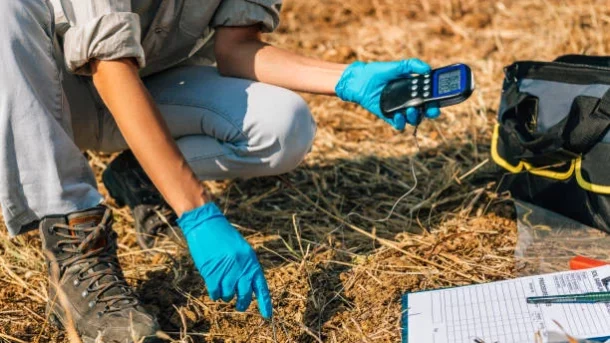
Imaging and spectroscopy: For the examination of soil, spectroscopic methods like infrared spectroscopy and hyperspectral imaging are becoming more and more popular. These methods examine the light reflected or emitted from soil samples to determine soil health, chemical composition, and amount of organic matter. Imaging technology can deliver spatially resolved data on soil characteristics, enabling tailored actions depending on particular soil circumstances.

Microbial analysis and DNA sequencing techniques are being utilised to evaluate the microbial populations in soil and their roles. These methods offer information on the variety and activity of soil microbes, which are essential for nutrient cycling, the breakdown of organic materials, and plant health. Farmers can choose the best soil management practises and maximise microbial activity for better soil health’s by having a thorough grasp of the microbial communities in their soils.

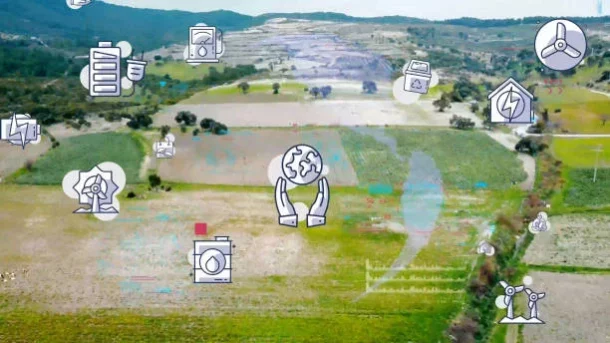
Satellite images and remote sensing technology, such as aerial drones, can provide important information about the overall health of the soil. Satellites with multispectral or hyperspectral sensors are able to collect information on the characteristics of the soil, vegetation indices, and land cover. This information can be analysed to create maps of the health of the soil, find signs of soil deterioration, and track changes over time. Aerial drones with sensors and cameras can give localised areas with high-resolution, precise soil information, enabling focused soil management techniques.

 What is the role of biodegradable packaging in sustainable agriculture?

biodegradable packaging

Environmental Impact: Biodegradable packaging materials are made to disintegrate into the environment organically and naturally without leaving any harmful leftovers. Biodegradable pack lessens trash buildup and has a less negative environmental impact than non-biodegradable materials like plastic, which linger in the environment for a long time and cause pollution. This promotes the preservation of natural resources, wildlife, and ecosystems.

Waste reduction: Agriculture produces a lot of packaging waste, such as bags, labels, wraps, and containers. By supplying packaging materials that can be composted or broken down naturally, biodegradable pack offers a way to reduce this waste. Farmers and agricultural businesses can help reduce waste and advance a circular economy by utilising biodegradable packaging.

Sustainability along the Value Chain in Agriculture: Biodegradable pack is consistent with the concept of sustainability in general along the agricultural value chain. Sustainable packaging helps agricultural goods’ overall environmental impact be reduced from production to consumption. It enhances resource conservation efforts, appropriate waste management, and sustainable agricultural methods, making the agriculture sector more robust and sustainable.

It’s crucial to remember that the development of composting infrastructure and adequate disposal methods are prerequisites for the effective use of biodegradable pack. For the management and processing of biodegradable pack waste to be successful, cooperation between stakeholders, such as packaging producers, waste management facilities, and policymakers, is essential.

 How are smart sensors used for monitoring soil conditions?

smart sensors

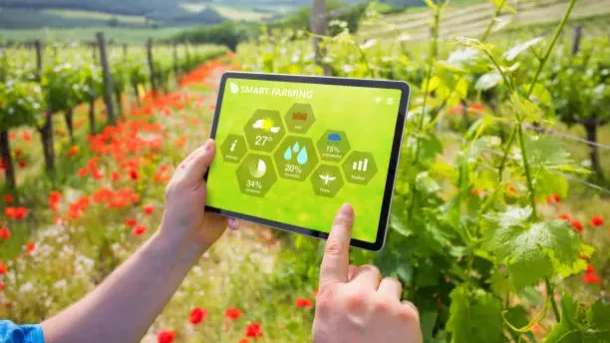
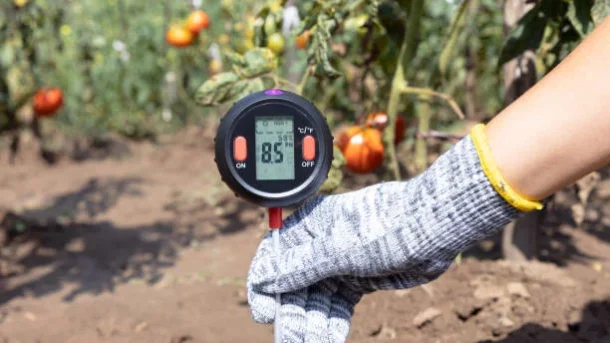
In order to regulate irrigation effectively, it is essential to measure the moisture content of the soil using soil moisture smart sensors. To track moisture levels at multiple layers, these sensors can be inserted at various depths in the soil profile. Farmers may optimise irrigation practises, prevent under- or overwatering, and determine when and how much water to use by continuously monitoring soil moisture. Farmers can monitor soil moisture levels and make irrigation decisions based on reliable information thanks to the real-time data that smart soil moisture smart sensors provide.

Sensors that monitor soil temperature can gauge the temperature of the ground at different depths. Seed germination, nutrient availability, microbial activity, and plant growth are all influenced by soil temperature. Farmers can choose the ideal soil temperature by keeping an eye on it.

pH sensors for soil: These sensors gauge the soil’s acidity or alkalinity. The availability of nutrients to plants is impacted by soil pH, which also impacts soil microbial activity. Farmers can assess the compatibility of the soil for various crops by monitoring the pH of the soil and can determine whether pH adjustments through soil amendments are necessary. The accurate and fast pH measurements provided by smart soil pH sensors enable farmers to maintain the ideal pH values for certain crops and modify their soil management techniques as necessary.

The amounts of different nutrients in the soil, such as nitrogen, phosphorous, and potassium, which are critical for plant growth, are measured using soil nutrient sensors. Farmers can optimise fertiliser applications and avoid nutrient excesses or shortfalls by keeping track of the soil’s nutrient levels. Real-time nutrient data is provided by intelligent soil nutrient sensors.

 What is the concept of sustainable agriculture?

sustainable agriculture

Environmental Stewardship: Sustainable agriculture places a high priority on protecting and restoring the ecosystems and natural resources that are necessary for agricultural production. It encourages techniques that reduce soil erosion, enhance soil fertility and health, safeguard water quality, safeguard water resources, protect biodiversity, and employ less chemical inputs. It promotes the use of agroecological practises that place an emphasis on utilising ecological principles and natural processes, such as organic farming, conservation agriculture, and agroforestry.

Economic Viability: The goal of sustainable agriculture is to guarantee the resilience and economic viability of farming systems. It aims to minimise production risks and reduce dependency on outside inputs while preserving or increasing farm profitability. It promotes value-added activities, diversification, and the growth of regional markets. Fair prices and equitable access are important components of sustainable agriculture.

Food Security and Safety: By providing wholesome foods in adequate numbers, sustainable agriculture aims to assure food security. It encourages resource efficiency and sustainable intensification in order to boost productivity without harming the environment. It promotes the use of agroecological and organic methods that reduce chemical inputs and improve nutritional value. Additionally, it stresses the significance of transparent labelling, food safety, and traceability.

Knowledge and Innovation: Continuous learning, innovation, and knowledge sharing are key components of sustainable agriculture. It promotes the fusion of conventional wisdom and cutting-edge scientific inquiry to produce solutions tailored to particular situations. To spread best practises and make the adoption of sustainable farming practises easier, it encourages farmer-to-farmer exchanges, participatory research, and extension services.

How are weather prediction models used in agriculture?

prediction models

Weather prediction models offer information about expected weather patterns, including temperature, precipitation, wind speed, and humidity. This knowledge can be used by farmers to plan and modify planting dates, choose the right crop kinds, and control irrigation and fertilization practices. Farmers can maximize crop growth and reduce hazards by planning activities around anticipated weather conditions.

Irrigation management: By predicting rainfall and calculating crop water needs, weather prediction models assist farmers in optimizing their irrigation practises. Farmers can select the best times and amount to irrigate their fields by considering forecasted precipitation and evapotranspiration rates. By doing this, it is possible to avoid under- or over-irrigation, conserve water, and guarantee that crops receive the right amount of moisture for healthy growth.

Management of Pests and Diseases: Weather has a big impact on population dynamics. Several learning models such as ensemble learning , machine learning and deep learning  were utilized for the prediction of weather conditions and soil nutrient analysis suitable for crops

How is blockchain technology being implemented in the agricultural supply chain?

agricultural supply chain

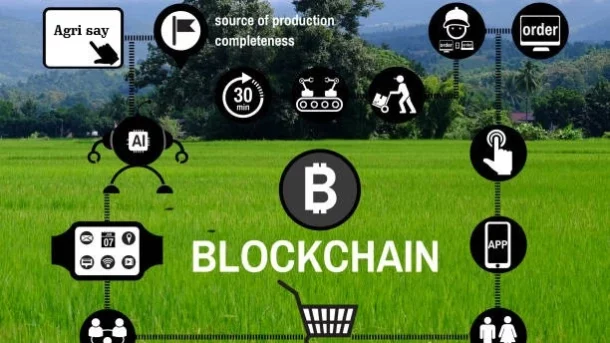
Product tracability: Thanks to blockchain technology, every agricultural product transaction and movement along the agricultural supply chain may be recorded and tracked. The blockchain can be used to track every stage, including production, processing, packing, shipping, and distribution. Consumers and stakeholders may confirm the product’s origin, quality, and authenticity thanks to this immutable and transparent record of its journey.

Transparency in the agricultural supply chain is made possible by blockchain technology, which gives farmers, processors, distributors, retailers, and consumers access to a shared, decentralised ledger. By making transactions transparent, fraud, forgery, and unethical behaviour are reduced. The supply chain’s integrity and dependability are ensured by participants’ capacity to validate and verify the data stored on the blockchain.

Quality and Standards Assurance: Blockchain can be used to store and exchange data on the certifications of products as well as their adherence to standards and laws. This information may cover specifics regarding farming techniques, the use of pesticides and fertilisers, organic certifications, fair trade principles, and other topics. Consumers can make educated decisions and feel confident about the things they buy by having access to this information via the blockchain.

Efficient Payment and Transactions: Blockchain technology makes it possible for the agricultural supply chain to conduct safe and effective digital transactions. Processes like payments, invoicing, and settlements can be automated and streamlined using smart contracts, which are self-executing contracts on the blockchain. This leads to quicker and more secure transactions by reducing paperwork, lowering transaction costs, and doing away with the need for middlemen.

 How are sensors used in smart agriculture?

sensors

Soil sensors: Soil sensors gauge the soil’s temperature, moisture content, and nutrient levels. Farmers can use this information to make well-informed decisions about managing soil health, applying fertiliser, and scheduling irrigation. In order to track the distribution of moisture and guarantee effective water use, soil sensor can be positioned at various depths.

Weather Sensors: Data on temperature, humidity, precipitation, wind speed, and sun radiation is collected by weather sensors. Monitoring weather trends, forecasting changes, and modifying farming practises all depend on this knowledge. Weather sensor aid in resource management optimisation, crop protection from severe weather, and irrigation optimisation.

Crop health sensor monitor a number of aspects of a plant’s health, such as the amount of chlorophyll present, the temperature of the leaf, and the amount of photosynthetic activity. These sensors are capable of identifying the first hints of stress, nutrient deficits, illnesses, and insect infestations. Farmers can take prompt action to avert or lessen potential damage and improve treatment plans by keeping an eye on the condition of their crops.

Sensors are used in livestock facilities to monitor the health, behaviour, and welfare of the animals. They can monitor things like body temperature, heart rate, level of activity, and dietary habits. Livestock sensor aid in the early detection of illness, stress, or abnormal behaviour, allowing for better herd management and early intervention.

 How can I improve soil fertility on my farm?

soil fertility

Soil fertility can be further improved by incorporating cover crops that add organic matter to the soil, which leads to improved soil structure and promotes a healthy, fertile soil; by using green manure or growing legumes to fix nitrogen from the air through the process of biological nitrogen fixation; by micro-dose which enhance soil fertility through biological nitrogen fixation, and the application of chemical fertilizers.
Whether grown as pulses for grain, as green manure, as pastures or as the tree components of agro-forestry systems, a key value of leguminous crops lies in their ability to fix atmospheric nitrogen, which helps reduce the use of commercial nitrogen fertilizer and enhances soil fertility.

Nitrogen-fixing legumes are the basis for sustainable farming systems that incorporate integrated nutrient management. Use of nitrogen-15 lends understanding of the dynamics and interactions between various pools in agricultural systems, including nitrogen fixation by legumes and utilization of soil and fertilizer nitrogen by crops, both in sole and mixed cropping systems.

 What are the best practices for soil conservation and erosion control?

soil conservation

Soil conservation is the prevention of loss of the topmost layer of the soil from erosion or prevention of reduced fertility caused by over usage, acidification, salinization or other chemical soil contamination.

The use of pesticides can threaten soil conservation by contaminating the soil and nearby water sources. They affect soil structure and (biotic and abiotic) composition. Differentiated taxation schemes are among the options investigated in the academic literature to reducing their use.

Erosion control practice involves the placement of plastic covers, geotextiles, erosion control blankets, and mats to keep soil from erosion by water or wind. They primarily help newly planted crops to take root in slopes with flowing water.

However, plastic sheeting can only be effective in small erodible areas. Applying it in large areas can cause damage when the water runs off the cover.
that allows the water to flow through it to prevent the spread of water all over the land.

All structures should have pipes or gutters that can effectively drain water out of your yard into a water collection system. Places with heavy water runoff may need an installation of underground perforated drainage pipes.

What are the optimal soil conditions and nutrient requirements for a specific crop?

nutrient

The plant takes up nutrients in the soil through its roots and in particular its root hairs. To be taken up by a plant, a nutrient element must be located near the root surface; however, the supply of nutrients in contact with the root is rapidly depleted within a distance of ca. 2 mm.

There are three primary mechanisms whereby nutrient ions dissolved in the soil solution are brought into contact with plant roots.

  1. Mass flow of water
  2. Diffusion within water
  3. Interception by root growth

All three mechanisms operate simultaneously, but one mechanism or another may be most important for a particular nutrient. For example, in the case of calcium, which is generally plentiful in the soil solution, except when aluminum over-competes for calcium on cation exchange sites in very acid soils.