Soil

Can biofertilizers be used in large-scale agricultural practices?

agricultural

Several factors make biofertilizers suitable for use in industrial agricultural, including the following:

Environmental advantages: Large-scale agricultural enterprises frequently struggle with issues including fertilizer runoff, degraded soil, and greenhouse gas emissions. These negative effects on the environment can be lessened by employing biofertilizers, which encourage nutrient cycling, decrease the demand for synthetic fertilizers, and enhance soil health.

Reduced reliance on synthetic chemical fertilizers, which can be expensive and have negative environmental effects when used excessively, is possible with the use of biofertilizers. The use of chemical fertilizers can be decreased by incorporating biofertilizers into industrial farming, which will result in financial savings and a smaller environmental impact.

Productivity and soil health: Because of intense farming techniques, large-scale agriculture can occasionally cause soil deterioration. Long-term improvements in soil health, organic matter content, and nutrient availability can be made with the use of biofertilizers, which can also increase soil fertility and productivity.

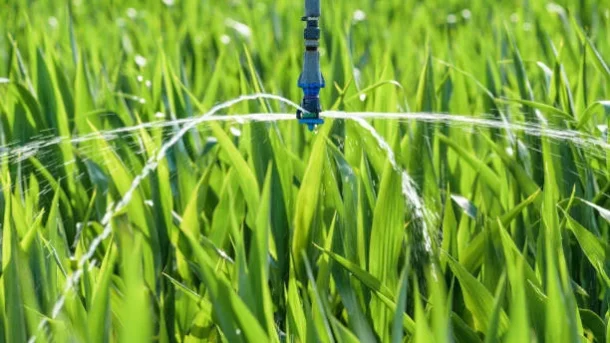
Water conservation: By encouraging higher nutrient uptake, boosting root development, and lowering nutrient leaching, biofertilizers can increase water use efficiency. Biofertilizers can help with water conservation in large-scale agriculture, where water resources are frequently limited.

Sustainable certification and market demands: Many customers and market outlets are giving more weight to agricultural products that have been produced sustainably. The use of biofertilizers in industrial agriculture.
What are the factors that influence the effectiveness of biofertilizers?

effectiveness

There are a number of variables that can affect how successful effectiveness biofertilizers are, including:

Different kinds of biofertilizers contain various helpful microorganisms, including bacteria that fix nitrogen, those that dissolve phosphate, mycorrhizal fungus, and those that encourage plant growth. The impact of a certain type of biofertilizer on nutrient availability, plant development, and general soil health will depend on the type that is employed.

Type of soil: The performance of biofertilizers can be influenced by the properties of the soil, including its texture, pH, amount of organic matter, and nutrient levels. Understanding the qualities of the soil is essential for selecting the best biofertilizer because some biofertilizers may be more successful in particular soil types.

Climate and environmental factors can have an impact on the survival and activity of the microorganisms in the biofertilizer, including temperature, humidity, and moisture availability. Some biofertilizers might be more suited to certain climate zones.

Crop type: Different crops demand different amounts of nutrients and interact in different ways with microbes. Depending on the particular crop being grown, biofertilizers may have varying degrees of efficiency.

Use the right application techniques to make sure the biofertilizer gets to the roots and soil of the target plants. The effectiveness of using biofertilizers can be influenced by the time, dose, and administration methods.

How do biofertilizers affect soil compaction?

soil compaction

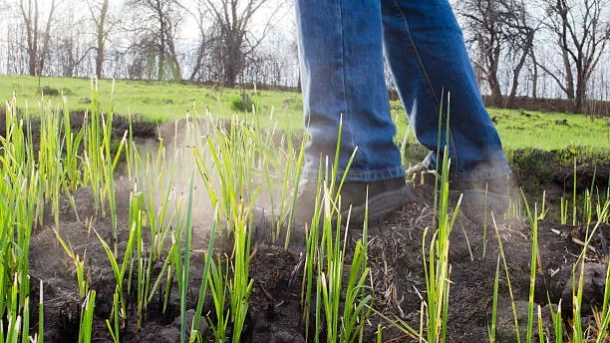
By enhancing soil structure and encouraging root development, biofertilizers can indirectly affect soil compaction. Although biofertilizers do not it self immediately reduce soil compaction, their effects on plant development and soil health can eventually result in lessened soil compaction. How biofertilizers affect soil compaction are as follows:

Improvement of soil structure: Some biofertilizers contain microorganisms that make glue- and polysaccharide-producing chemicals. These chemicals aid in the formation of aggregates by binding soil granules together. Larger pore spaces produced by soil aggregates enhance soil structure by facilitating better water uptake and root penetration. Because they resist the forces that cause soil particles to pack tightly together, well-structured soils are less likely to get compacted.

Root system development: Biofertilizers that promote plant growth, such as mycorrhizal fungi and bacteria, can improve the development and branching of roots. Compacted soil layers can be physically broken up by a larger and more developed root system, which lowers soil density and increases soil aeration.

Water infiltration: In addition to enhancing soil structure, biofertilizers can also increase water penetration. Water helps to soften compacted soil layers so that plant roots may more easily break them up when it permeates the soil more effectively.

Decomposition of organic matter: Some biofertilizers contain microbes that quicken the soil’s organic matter decomposition. As organic matter decomposes, it helps to create humus, which enhances soil structure and lessens compaction.

Can biofertilizers help reduce the need for irrigation?

reduce

Efficiency of nutrient uptake increased: Biofertilizers increase the availability of nutrients in the soil, which may result in plants absorbing nutrients more effectively. Plants are better able to reduce water stress and make better use of the water that is available when they get the essential nutrients in a timely manner.

Improved root development: Mycorrhizal fungi, a type of biofertilizer, work in symbiotic partnerships with plant roots to encourage branching and growth. Plants with well-developed root systems are more drought-resistant because they can search a wider area of soil for water.

Stress tolerance: A plant’s ability to withstand drought and other abiotic stress conditions can be improved by several biofertilizers, including specific bacteria and biostimulants that promote plant development. When plants are more capable of coping with water shortages, they can continue to grow and reduce when irrigation.

What are the storage requirements for biofertilizers?

storage

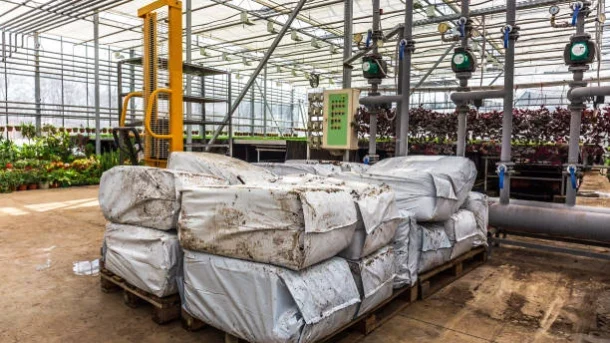
To keep biofertilizers viable and effective, storage must be done properly. The type of biofertilizer and its formulation will determine how long it has to be stored. Here are some general recommendations for storing biofertilizers, though:

Cool and dry conditions: To stop moisture absorption and microbial growth, biofertilizers should be storage in a cool and dry environment. Moisture can make the helpful microorganisms in the biofertilizer less viable, which lowers their efficiency.

Avoid direct sunlight: Direct sunlight might cause temperature changes and harm to the biofertilizer’s microorganisms. Biofertilizers should be kept in a shady place to avoid exposure to extreme heat and light.

Use airtight containers or sealed packaging to prevent air exposure, which can cause the biofertilizer to dry up or become contaminated with undesirable microbes.

Clearly mark the product name, manufacture date, and expiration date on each biofertilizer container to ensure proper labeling and date monitoring. By monitoring the shelf life, it is possible to make sure that older batches are utilized before more recent ones.

Check the viability and quality of stored biofertilizers on a regular basis. Microbial viability testing is one example of a quality control measure that can assist guarantee the product’s continued efficacy.

How do biofertilizers impact the release of greenhouse gases from soils?

greenhouse gases

Depending on the type of biofertilizer used, the particular soil conditions, and the management techniques applied, the effect of biofertilizers on the emission of greenhouse gases from soils might vary. In general, biofertilizers can have a beneficial or negative impact on greenhouse gas emissions:

Reduced need for synthetic chemical fertilizers: Reducing the need for synthetic chemical fertilizers is one important way that biofertilizers can help reduce greenhouse gas emissions. Synthetic fertilizer manufacture and application are energy-intensive processes that emit greenhouse gases, especially nitrous oxide (N2O) when nitrogen-based fertilizers are produced. The overall greenhouse gas emissions linked to fertilizer use can be decreased by employing biofertilizers, which deliver nutrients more effectively and are frequently generated using lower energy inputs.

Some biofertilizers contain nitrogen-fixing bacteria that transform atmospheric nitrogen into plant-available forms, resulting in nitrogen fixation and decreased N2O emissions. This lessens the need on fertilizers based on nitrogen, which are known to have a major impact on N2O emissions. Therefore, using biofertilizers can reduce the amount of N2O that is released from agricultural soils.

Increased organic matter and carbon sequestration: Biofertilizers can increase the input of organic matter into the soil, especially those that contain helpful microbes that promote organic matter decomposition. Increased organic matter content enhances soil structure and water retention while also encouraging the soil’s ability to store carbon. By storing carbon in the soil, this technique reduces the amount of greenhouse gas emissions, hence preventing climate change.

The microorganisms in biofertilizers can solubilize nutrients and increase their availability in the soil, and biostimulants can increase the plant’s capacity to absorb and use these nutrients effectively. Better nutrient absorption and overall plant nutrition may result from this combination.

Increased ability to withstand stress: Biostimulants can assist plants in surviving a variety of stressful situations, including drought and severe temperatures. When used in conjunction with biofertilizers, which offer vital nutrients and support overall plant health, plants are better able to endure stress and continue to produce even under challenging circumstances.

What are the potential risks associated with using bio-fertilizers?

bio-fertilizers

Pathogen transmission: Bio-fertilizers may include dangerous infections that could spread to plants, animals, or people if improperly generated, handled, or stored. Affected biofertilizers pose threats to agricultural production and public health by having the ability to infect crops with illnesses.

unwanted environmental effects: In some instances, using bio-fertilizers to introduce non-native microbes may have unwanted effects on the environment. These alien microorganisms may displace native species, upset ecological balances, or negatively impact the diversity of soil microbes.

Variable efficacy: Depending on the kind of soil, the climate, and the individual microorganisms in the biofertilizer, the efficacy of fertilizers can change. In some circumstances, the anticipated advantages might not materialize, resulting in inadequate plant growth or nutrient availability.

Contamination of water bodies: If bio-fertilizers are overapplied or misapplied, excess nutrients like nitrogen and phosphorus can leach into groundwater or runoff into nearby water bodies. This could lead to eutrophication, an ecological issue where excessive nutrients cause harmful algal blooms and degrade water quality.

Incompatibility with other agricultural inputs: Some biofertilizers may not work well in combination with certain chemical fertilizers, pesticides, or herbicides. Compatibility issues could reduce the effectiveness of both the biofertilizer and the other inputs or lead to unintended consequences.

Can biofertilizers help in the remediation of polluted soils?

remediation

Biofertilizers can be used in conjunction with phyto remediation methods to improve their effectiveness. Utilizing plants to absorb, degrade, or stabilize contaminants in the soil is known as phytoremediation. By encouraging plant growth, root formation, and nutrient uptake, biofertilizers can improve this process and boost the effectiveness of the plants’ pollution elimination.

Pollutant degradation: Some biofertilizers have microorganisms that can break down specific soil contaminants. Through biodegradation processes, these bacteria break down or convert contaminants into less hazardous chemicals.

Supply of nutrients: Polluted soils may be low in nutrients and lack the components essential for plant growth. Biofertilizers give plants vital nutrients, enabling them to grow in polluted surroundings and increase their resistance to the pollutants.

Enhanced soil microbial activity: By introducing beneficial microorganisms into the soil, biofertilizers can increase the microbial activity there in general. These bacteria stimulate the establishment of plants that aid in remediation, improve soil structure and nutrient cycling, and aid in the breakdown of organic contaminants.

Immobilization of heavy metals: Some biofertilizers include microbes or other chemicals that might bond with heavy metals in the soil, decreasing their mobility and availability to plants. This immobilization aids in limiting hazardous metal uptake by plants and lowers the risk of metal toxicity.

Addition of organic matter: Biofertilizers can enhance the amount of organic matter that is incorporated into the soil, which helps to create humus and stable organic compounds. Certain contaminants bond to this organic matter, lowering their bioavailability and enhancing their

balance.

How do biofertilizers affect the overall soil ecosystem?

soil ecosystem

The use of biofertilizers can improve a number of aspects of the soil ecosystem, including soil fertility, microbial diversity, nutrient cycling, and plant health. The soil ecology is impacted by biofertilizers in the following ways:

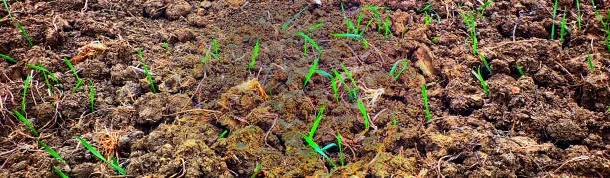
Increased soil fertility: Biofertilizers, such as bacteria that fix nitrogen and bacteria that solubilize phosphate, add vital nutrients to the soil and make them more available to plants. The soil becomes more fertile as a result, which encourages stronger plant growth and higher food harvests.

a greater variety of microorganisms: Biofertilizers contain helpful microorganisms that can coexist symbiotically with plants or participate in the cycling of nutrients. These germs broaden the variety of soil microbes, encouraging the development of a healthy and robust soil microbial community.

Cycling of nutrients: Biofertilizers help in cycling of nutrients by enhancing the availability and cycling of vital elements like potassium, phosphorus, and nitrogen. As a result, the soil ecosystem uses nutrients more effectively, which lowers nutrient losses via leaching and runoff.

In order to encourage the formation of soil aggregates, some biofertilizers secrete sticky substances and engage in microbial activity. Improved water infiltration, aeration, and root penetration are all results of the addition of soil particles to the soil.

Better soil organic matter decomposition: Some biofertilizers contain microorganisms that speed up the soil’s organic matter breakdown. By accelerating the breakdown of organic waste and plant remains, humus is produced and the soil is enriched with organic nutrients.

Can biofertilizers improve soil water retention?

soil

Soil aggregation: Some biofertilizers contain microorganisms that make glue- and polysaccharide-like compounds that adhere to surfaces. These chemicals aid in the formation of aggregates by binding soil granules together. Larger pore pores produced by soils aggregates enable water to permeate and be retained in the soils as opposed to simply evaporating off the surface. Water is retained better thanks to the improved soil structure.

Mycorrhizal association and root growth: Some biofertilizers, such as mycorrhizal fungi, develop symbiotic connections with plant roots. This connection results in a broad and well-established root system. The surface area via which plants may collect water from the soil is increased by a deeper root system, enhancing overall water uptake and retention.

Some biofertilizers contain microorganisms that hasten the decomposition of organic matter in the soils, which is enhanced. As organic material decomposes, it helps to create humus, a stable part of soils organic matter. By enhancing the soil’s ability to store water and lowering water drainage, humus aids in soil moisture retention.

Drought tolerance: A plant’s capacity to withstand drought stress can be improved by using specific biofertilizers. They accomplish this by increasing the plant’s water-use effectiveness and modifying its physiology to make it more resilient to water scarcity. Biofertilizers indirectly increase soil water retention during times of water constraint by assisting plants in better water management.