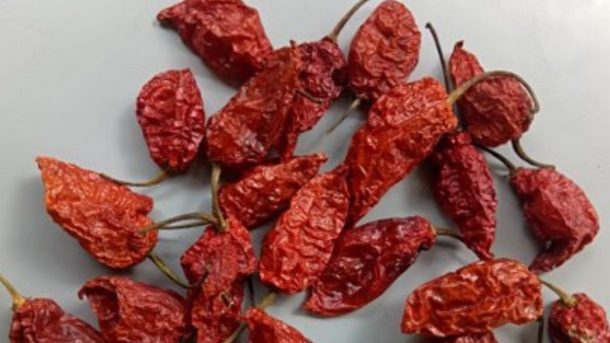
In India, chilli is used in three different forms such as fresh green chilli, red grind and raw red. Ripen chillies are traditionally sun dried and procedure takes 3 to 4 days, depending on the weather conditions and then grinds in local huller mill and stored. Mainly dry king chillies are sold due to their very high level of perishability. The Naga King Chilli has a poor shelf life and deteriorates fast if stored under normal conditions for a long period. However, in cold storage the product may be stored for 8-10 months.
Sustainable agriculture
Which containers are suitable for growing muskmelon on terrace?
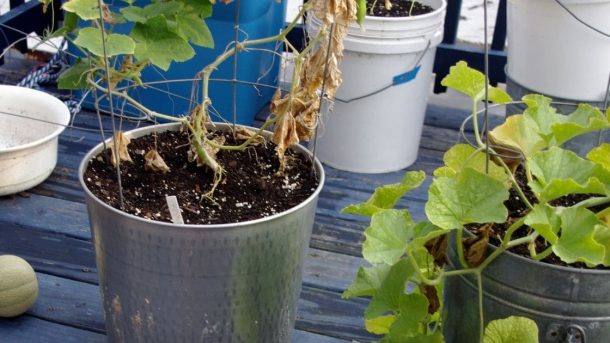
For growing muskmelon in containers or pots choose at least 5 gallons of potting soil. Fill the pot or container with a potting mix, add 10-10-10 tablespoon of fertilizer on the warm soil and mix thoroughly. Saw the seeds of four muskmelons in a container or pot, plant the seed approximately 1 inch deep, keep the seed at equal distances from each other. Now place the container or pot in an area where it can get sunlight throughout the day. Cover the top of the containers or pot with a plastic sheet. This keeps moisture and heat in the soil during the germination of the seed. Warm water container or pot after planting, after drying the top, again water the warm soil. Add much water to this plant so that extra water starts moving out of the container or pot.
The muskmelons that grow in the container or pot require more water, they cannot tolerate dry clay, during the hot and dry seasons.
What is Hara Madhu and it belongs to which variety of crop?
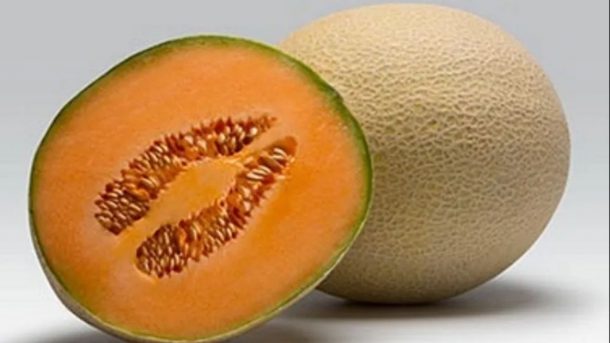
Hara Madhu is a most popular variety of muskmelon that can grow up to 3-5 meters. It is an introduction from the Punjab agricultural university, Ludhiana. The large fruits of this variety are round in shape and have light yellow skin with strips of green and have thick pulp which is very good sweet in taste. The fruit weighs around 1 kg.
What is the climatic requirement for soursop fruit farming?
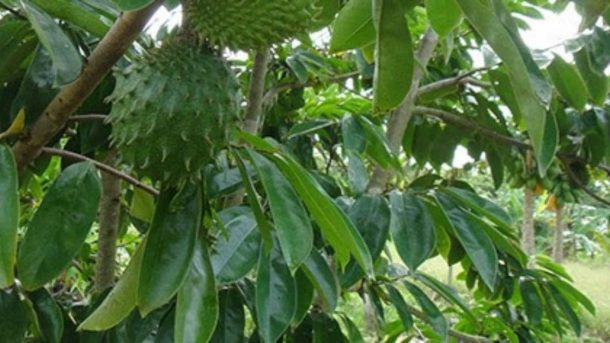
Soursop crop thrives well from sea level up to 300 to 400 meters. The soursop trees are adapted to regions of high humidity and warm winters. The temperature below 5°C may result in damage to tree leaves and small branched and the temperatures below 3°C can be more harmful. In these conditions, the soursop fruits will become dry and not good for any concentrate.
What are the climatic conditions required for beans plantation?
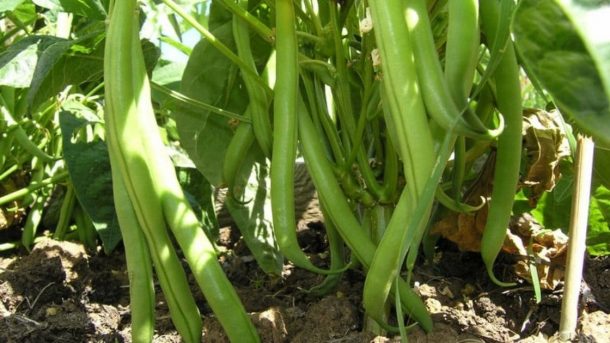
Common Indian beans grow within a range of temperature of 17.5 -27°C requires a cold climatic condition. Temperature above 30°C may cause the bean flower buds to fall and in temperatures above 35°C, bean seeds might not form. Apart from this, beans are very sensitive to the night frost.
Which soil is suitable for Pistachio cultivation?
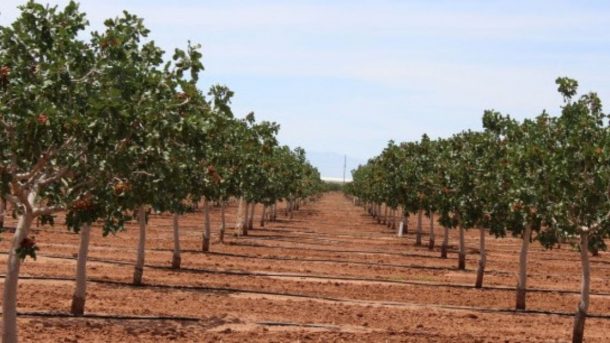
Pistachio trees can be grown in wide range of soils. However, they prefer well drained deep sandy loam soils. These trees are quite drought tolerant but don’t do well in areas where high humidity is possible. Soil test would be helpful, if you are planning pistachio production on large scale. Pistachio trees will produce quality nuts with high yields where soil pH is kept at a wide range of 7.0 to 7.8. These trees are hardy ones which can tolerate higher alkalinity to certain extent.
What is the irrigation requirement for jamun farming?
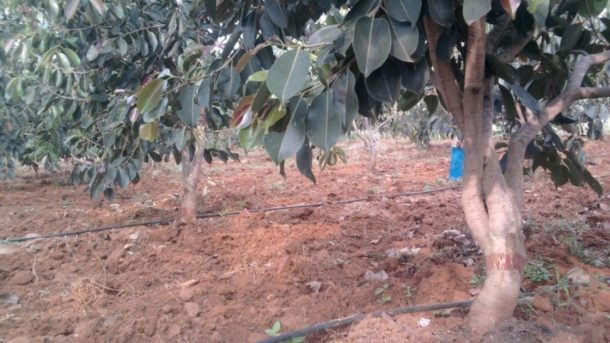
Young jamun plants in early stages requires frequent watering but subsequently, irrigations should be reduced, initial stages of plants require about 12 irrigation per year. Mature trees require once in 2 months in a year, this is important at the fruit ripening stage, occasional irrigation may be carried out when the soil becomes dry and to keep the soil in moist condition.
What is the soil requirement for jamun farming?
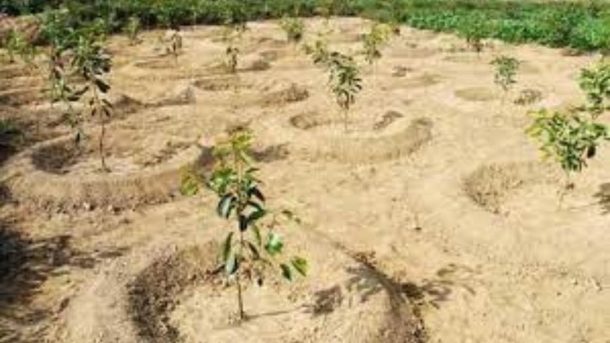
Jamun trees can grown on a wide variety of soils. However, loamy and well drained soils are best suited for good yield and plant growth. Jamun thrives well under waterlogged and salinity conditions as well but these plants do not like very heavy and light sandy soil. Field should be selected such a way that soil should retain good moisture content for better fruit growth. These trees grow well with soil pH range of 6.5 to 7.5.
What is RFID Technology?
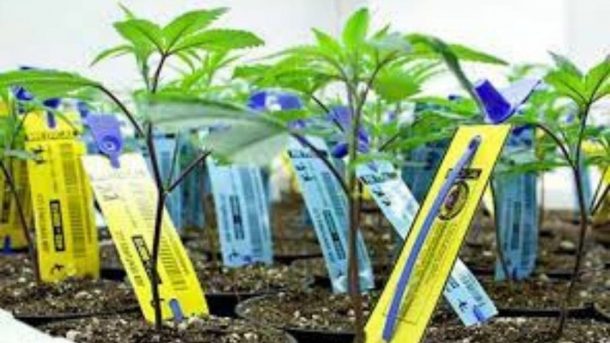
Radio Frequency Identification technology mainly identifies an object by radio frequency without any contact. It has been successfully applied in many industries such as supply chain management, retail management, logistic management and more. RFID technology constitutes a farm monitoring system whereby farmers can now protect their crops from pests and live stock such as cattle can be monitored using wireless sensor network. Similarly, livestock management has already made many strides by using RFID systems to help with remote monitoring of animals using dedicated hardware systems and software systems. The RFID technology has already been used for years in some aspects of the agriculture industry.
How satellite image is useful for Agriculture?
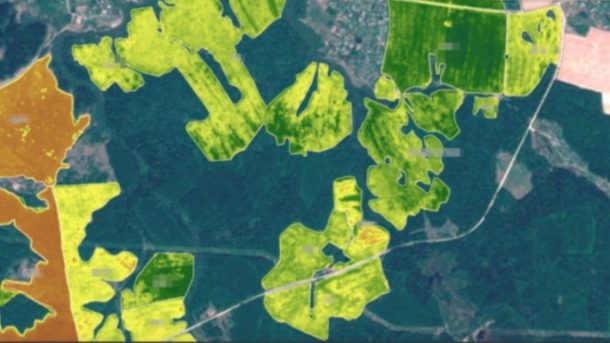
Satellite images can be used for various types of information such as road networks, weather changes, a behavior of oceans etc. But this technology is used to keep an eye on crops without being present on the farm and this saves a considerable amount of money and time.