Sustainable agriculture

What are the causes of the decrease in bee population?

bee population

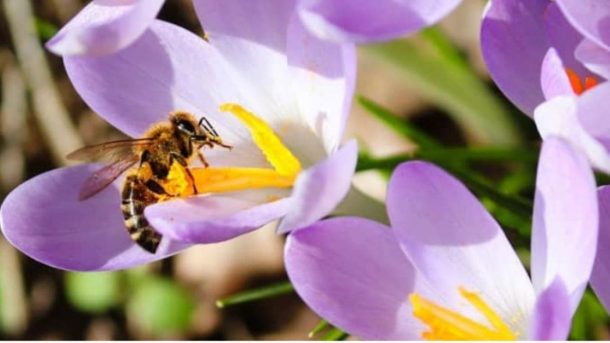
Truly, technology has aided food creation by the invention of different techniques and equipment to aid food production. However, its environmental effects are troublesome; one of these is reduction in the population of bees. The structure of agriculture, we adopt is quite unfavourable to the well being and survival of bees.

The use of agro- chemicals in the form of herbicides and pesticides has really affected the activities of bees. Research has shown that every batch of pollen a honey bee collects has at least six detectable pesticides in it, hence serving as poison to them. Also, early cultivation uses natural fertilizers, like clover and alfalfa to develop the yield of the crop. These natural fertilizers serve as good nutritious food for bees. Instead of that now we are utilizing the synthetic fertilizers which are in turn detrimental to the well-being of the bees.
When and how to harvest organic lettuce?

lettuce

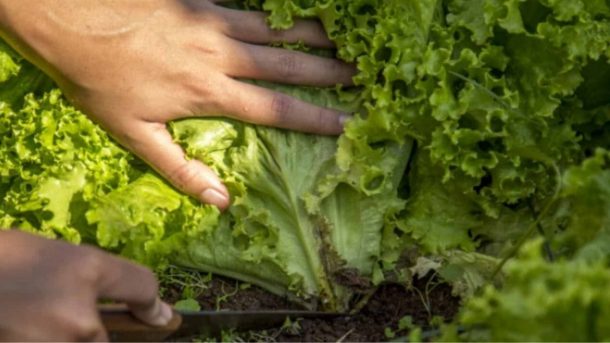
Organic leaf lettuce is hand harvested under contract 70 to 80 days after planting. Cool-season plantings may need 130 days to mature but as the season warms, time to maturity decreases. Harvest organic lettuce when the outer leaves are about 6 inches long. This ensures that the plant will survive after the leaves are removed. Harvest outer leaves to encourage inner leaves, tender leaves to grow. Lettuce is crispest if picked in the morning. Use a pruning knife to cut heads just below the lower leaves, or pull them out by the roots. Head and romaine types mature about 70 days from seed; leaf types mature in about 40 days.

Leaf lettuce will regrow if just the leaves are harvested. Water and harvest again a few weeks later. For best flavor, pick in the early morning, rinse and eat fresh.

Can you propagate Moringa from cuttings?

propagate

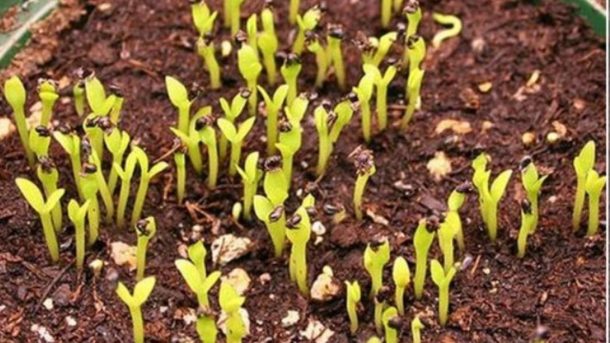
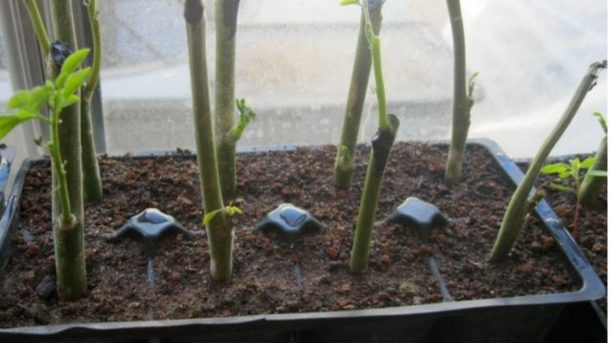
Moringa trees grow easily from cuttings because it takes less time to harvest. Before planting choose a mature and healthy tree. To propagate drumsticks tree from cuttings, take a stem of size 1 foot tall. Now make a hole in the soil about 15 to 20 cms depth. Then, place the cutting in this hole and fill it with a mixture of sandy soil and organic compost like cow dung to protect the cuttings from pests. Keep the soil moist but not soggy. Water the plant thoroughly on regular basis, very soon the cuttings will start sprouting.

Why propagation through seeds is not done in dragon fruit?

dragon fruit

The most common method of propagating in Dragon fruit is cutting. However, you can also spread it through seeds. But the seeds take a long time and they will not continue the characteristics of their mother plant. That’s why the seed method is not suitable if you wish to do a commercial dragon fruit farm. Therefore, if you want the full benefits of Dragon fruit farming you should use plant cuttings from a standard mother plant.

How much water is required by the olive trees?

olive

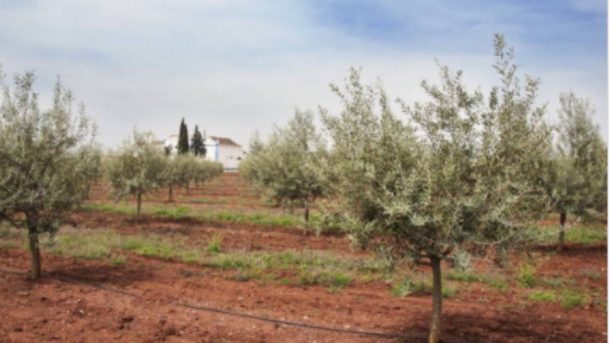
A young olive tree is expected to require 15 to 20 liters of water per week during the growing season. Providing irrigation, is an important factor for high quality fruit development. The volume of water required by the trees is dependent on the factors like age of the tree, size, humidity, wind, soil texture, soil depth, growth stage, rainfall etc. The drip irrigation system is deployed to irrigate the olive farms.

Some other watering recommendation for olive trees are: newly planted trees (0–1-year tree needs 10 liters of water per week in summer), 5-year-old olives tree needs 675 liters of water per tree, if the soil is dry and 10-year-old olives tree needs about 1875 liters of water per tree per watering cycle.

How do you prune olive trees?

olive trees

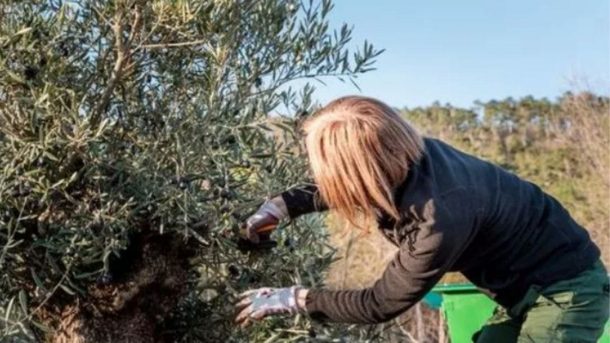
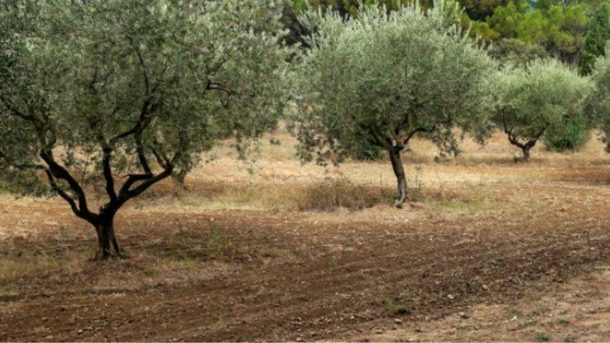
While pruning the olive trees, it is preferred to make a few well-placed cuts rather than making many small cuts. A lopper or pruning saw is used for this process. The open centre or vase pruning is a very common practice for olive farming to facilitate sunlight penetration into the central parts of the tree. Branches that are taller are also removed to keep the height of the tree small. Pruning is done once in three years during the period from the end of winter and flowering period. These trees can also be pruned in spring or early summer after the appearance of flower buds. Trimming of the tree has to be always done after the winter rains are over.

How many olive trees can be planted per acre?

olive trees

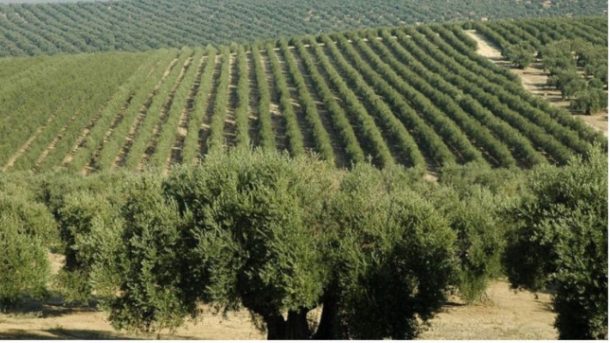
The traditional spacing between the olive trees is approximately 7 m or 30 ft. This spacing is no longer used except in regions that are deserted dry farm regions. The high-density planting can accommodate 200 to 350 trees per acre i.e., approximately 494 to 865 plants per hectare. The high-density system of planting can be used with any variety of olive.

There is one super high density planting system practiced for olive cultivation, where the spacing between plants is 5× 13 ft. This system can accommodate approximately 2083 trees per hectare.