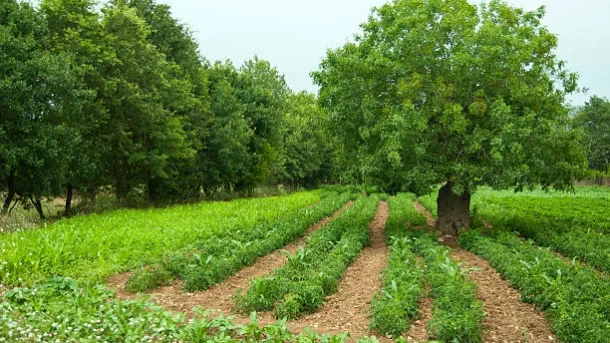
Agroforestry systems, which cultivate trees alongside agricultural crops or livestock, have several advantages for both the environment and crops. The following are some advantages of agroforestry systems:
Increased crop productivity: In agroforestry systems, trees can offer shelter, act as windbreaks, and control the microclimate, all of which promote the growth of crops. Higher yields are produced as a result of the better microenvironment, which increases agricultural productivity and lowers plant stress.
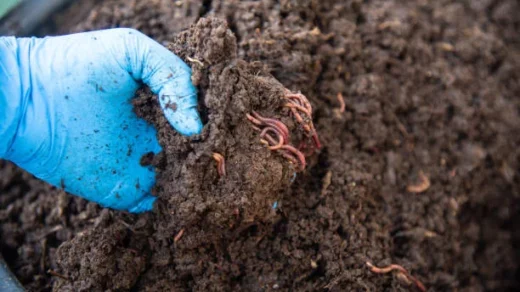
Soil fertility and conservation: Trees’ large root systems help to stabilize the soil, act as windbreaks, and reduce water runoff, all of which help to prevent soil erosion. Their organic content and fallen leaves help to promote soil fertility and the cycling of nutrients, which benefits crop growth.
Increased crop diversity introduced by agroforestry systems can increase resistance against pests, diseases, and extreme weather events. Trees can act as a barrier against climatic changes, minimizing the effects of drought or heavy rainfall on crops.
Trees in agroforestry system assist control the availability and use of water. Their root systems enhance groundwater recharge and water infiltration, lowering the possibility of crop-damaging soil moisture shortages. Additionally, trees have the ability to function as living pumps that can extract water from deeper soil layers and deliver it to crops.