How is the use of biodegradable and compostable materials being promoted in agriculture?

biodegradable

In an effort to lessen its negative effects on the environment and to promote sustainability, agriculture is encouraged to employ biodegradable and compostable materials. The following are some strategies for promoting the use of such materials:

Films for packaging and mulching: In place of conventional plastic films, biodegradable and compostable materials are utilized for packaging and mulching in agriculture. Long-term environmental damage can be avoided and plastic waste reduced by using these materials, which can naturally decompose over time. They can be produced using a variety of materials, including bioplastics created from naturally occurring materials like plant starch, cellulose, or polylactic acid (PLA).

Planting Containers and Pots: For the growth of seedlings, biodegradable containers and pots composed of materials like coconut coir, wood fibre, or moulded plant-based polymers are employed.

Crop coverings and Tunnels Made of Biodegradable Materials: Crop coverings and tunnels are made of decomposable materials, such as bioplastic or natural fibers. These materials offer defense against insects, severe weather, and temperature swings. They gradually disintegrate naturally, obviating the need for removal and disposal and lowering waste production.

Biodegradable Mulches: biodegradable mulches derived from substances such as starch, cellulose, or decomposable polymers are becoming more and more well-liked. Similar to conventional plastic mulches, these mulches reduce weed development, preserve soil moisture, and enhance crop performance. However, they organically decompose after the growth season, negating the requirement for removal and disposal of plastic.

What are the implications of changing consumer preferences for plant-based proteins?

plant-based proteins

Food Industry Change: The demand for plant-based proteins is growing, which is causing the food industry to change. Food producers are creating and marketing a wide variety of plant-based protein substitutes, including snacks with plant-based protein, dairy substitutes, and meat substitutes. As a result of this transformation, plant-based product lines are growing, new food startups are emerging, and research and development expenditures for novel plant-based food technologies are rising.

Land Use and Agricultural Practices: The rising demand for plant-based proteins may have an impact on land use and agricultural practices. There may be a change in farming methods toward the cultivation of crops like soybeans, peas, lentils, and other protein-rich plants to meet the need for plant-based protein sources.

Sustainability and Environmental Impact: Compared to animal-based proteins, plant-based proteins are typically thought to have a lesser environmental impact. They produce fewer greenhouse gas emissions and utilize less energy, water, and other natural resources. The move toward plant-based protein may help lessen the impact of the food system on the environment and encourage more sustainable agriculture methods.

Nutritional and health concerns frequently influence consumer choices for plant-based proteins. Plant-based proteins can offer important minerals and dietary fiber and are typically associated with lower levels of cholesterol and saturated fat. This change in consumer tastes may benefit public health, lowering the risk of several diseases linked to diet, among other things.

How are governments and organizations supporting climate-smart agriculture initiatives?

climate-smart

Support for Policy: Governments are creating and putting into effect policies that support climate-smart agriculture. For farmers who embrace sustainable methods, these policies may include financial incentives, subsidies, and tax exemptions. Regulations to promote sustainable land management and cut back on greenhouse gas emissions from agriculture may also be included.

Finance and Investment: To promote the adoption of climate-smart agricultural practices, governments and organizations offer financial assistance through grants, loans, and investment funds. The implementation of sustainable farming methods, capacity building, infrastructure enhancement, and research and development are all possible uses for these funding.

Research and Development (R&D): To improve climate-smart farming practices, governments and organizations invest in R&D. This involves supporting academic research, creative initiatives, and technical advancements that aim to increase agricultural productivity while reducing environmental effect. Additionally, research and development projects can focus on creating irrigation systems that are effective and sustainable farming practices.

Knowledge Sharing and Capacity Building: To promote climate-smart agriculture, governments and organizations enable knowledge sharing among farmers, researchers, and extension agencies. To spread knowledge about sustainable agricultural methods, conservation measures, and climate adaption tactics, this involves setting up workshops, training programs, and demonstration farms.

What are the advancements in digital tools and platforms for farm management and decision support?

digital tools

Digital tools and platforms for decision support and farm management have advanced quickly in recent years, giving farmers access to data-driven insights and optimized processes. Here are a few noteworthy developments.

Agricultural Management Software: Today’s software for managing farms provides thorough platforms that incorporate many different areas of agricultural operations. Farmers can track inventory, manage field activities, keep track of observations, keep track of equipment maintenance, handle money, and analyze data using these systems. They offer a central location for farm data, supporting well-informed choices and enhancing operational effectiveness.

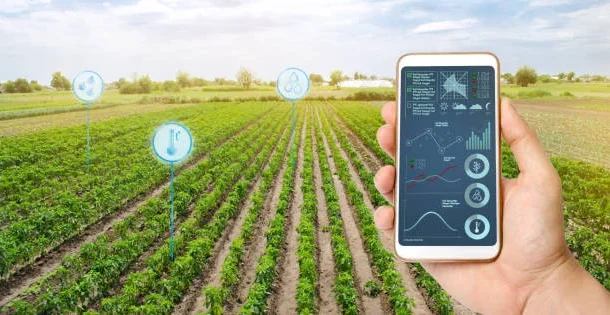
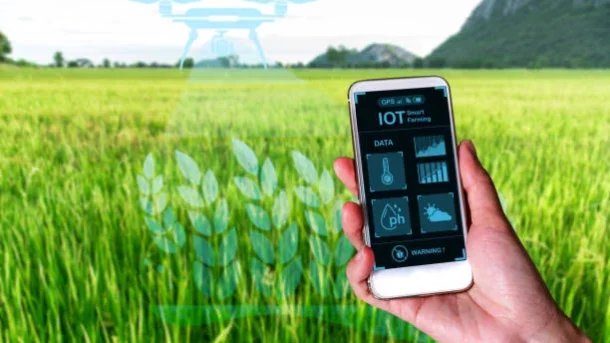
Technologies for Precision Agriculture: Digital tools and platforms have completely changed the way precision agriculture is done. Accurate field mapping and boundary delineation are made possible by the Global Positioning System (GPS) and satellite photography. Real-time information on soil moisture, temperature, and nutrient concentrations is gathered via sensors built into machinery and equipment.

What are the current debates on agricultural subsidies and market distortions?

agricultural subsidies

Policymakers, economists, and stakeholders in the agriculture sector are always debating and conversing about agricultural subsidies and market distortions. The following are some of the main arguments over agricultural subsidy and market distortions:

Trade distortions: The potential for agricultural subsidies to distort international agricultural markets is one of the main issues associated with them. The competitiveness of farmers in developing nations, who cannot match the subsidies provided by affluent countries, is harmed by subsidies since they can result in overproduction and the dumping of subsidized products in international markets. In international trade discussions, such as those conducted by the World Trade Organization (WTO), this subject has been a major source of dispute.

Effects on Domestic Markets: Agricultural subsidies can have a big impact on domestic markets, impacting prices, output levels, and the ability of domestic farmers to compete internationally. Supporters contend that subsidies are essential to protect rural livelihoods, stabilize prices, and guarantee food security. Subsidies, according to their detractors, can cause inefficiencies, overproduction, and a fictitious distortion of resource allocation, which could hurt small-scale farmers and put more of a financial strain on taxpayers.

Environmental Impacts: Agricultural subsidies may have an impact on how land is used and how food is produced, which may have an impact on the environment. Some subsidies, critics claim, especially those linked to input usage or output levels, may encourage unsustainable agricultural practices, such as excessive use of pesticides and fertilizers, deforestation, and overuse of water sources.

How are farmers using satellite imagery and GIS for land management and monitoring?

imagery

Farmers are using Geographic Information System (GIS) technology and satellite imagery more and more for land management and monitoring. Here are some significant applications of these technologies:

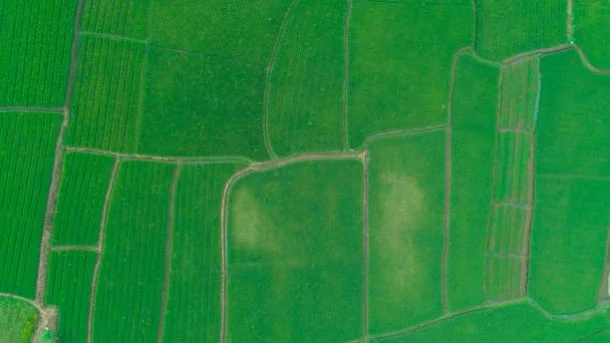
Crop monitoring and yield estimation are made possible by satellite imagery, which gives farmers a bird’s-eye perspective of their fields and enables them to track crop development, identify stress factors, and calculate yields. Farmers can spot changes in crop health, nutritional deficits, pest infestations, and disease outbreaks by examining satellite photos. They can use this knowledge to make educated decisions about irrigation, fertilizer use, and pest control, which results in more effective resource management and higher crop output.

GIS and satellite imagery are essential components of precision agriculture techniques. Farmers can improve yields by combining information from satellite pictures, soil sensors, and other sources.

Crop Rotation and Land Use Planning: GIS and satellite imagery help with crop rotation and land use planning techniques. Farmers can evaluate the viability of various regions of their property for particular crops based on criteria like soil type, terrain, and drainage by analyzing historical and current satellite pictures. In order to reduce disease pressure, nitrogen depletion, and soil erosion while increasing yields and maintaining soil health, farmers can use GIS technologies to construct the best crop rotation schedules.

Irrigation management: GIS and satellite-based data are useful resources for enhancing irrigation procedures. Farmers may determine the amount of water crops will need and keep track of the soil moisture levels in their fields by combining satellite photography, weather information, and evapotranspiration models. This knowledge enables them to more accurately plan irrigation, preventing under- or over-irrigation, minimizing water waste.

What are the efforts to promote sustainable and inclusive value chains in agriculture?

sustainable

Agriculture-related initiatives to advance sustainable and inclusive value chains seek to expand economic possibilities, lessen inequality, uphold environmental stewardship, and enhance the overall sustainability of agricultural systems. Here are some important programmes and tactics in this area:

Fair Trade Certification: By ensuring fair prices, better trading conditions, and community development, fair trade certification programmes work to enhance the lives of small-scale farmers and employees. These initiatives give items that adhere to social, economic, and environmental norms market access and premium prices. Fair trade increases community empowerment, supports sustainable manufacturing methods, and develops enduring relationships between consumers and producers.

Obtaining certification and labelling through programmes like organic certification, Rainforest Alliance, UTZ, and other sustainability standards enables farmers to prove adherence to certain sustainability criteria.

How is the use of renewable energy being promoted in agricultural operations?

renewable

Through a number of projects and policies aimed at lowering greenhouse gas emissions, enhancing energy efficiency, and achieving sustainable agricultural practices, the use of renewable energy in agricultural operations is being promoted. The following are some significant ways that agriculture is promoting renewable energy:

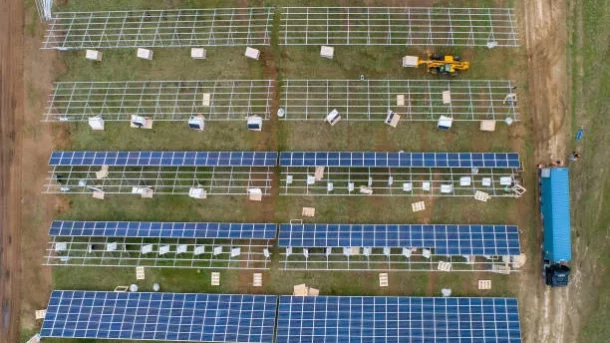
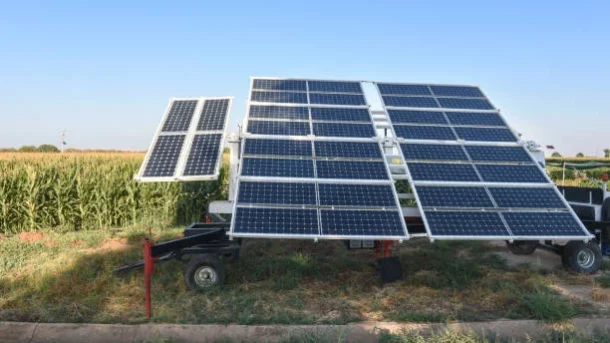
One of the most extensively used renewable energy sources in agriculture is solar power. On farms, photovoltaic (PV) systems or solar panels are used to generate electricity for a variety of uses, including running agricultural equipment, lighting, ventilation, and irrigation systems. Governments and other organizations encourage farmers to embrace solar energy technology and make investments in on-farm solar installations by offering incentives, grants, and subsidies.

Biomass and bioenergy: Through procedures like anaerobic digestion, gasification, or direct combustion, biomass—such as crop leftovers, animal dung, and crops grown specifically for bioenergy—can be transformed into bioenergy. The biogas created by anaerobic digestion can be utilized to provide biofuels for farm equipment as well as energy and heat. Farm buildings and greenhouses can be heated using biomass boilers and biomass-based heating systems.

Geothermal Energy: Geothermal energy makes use of the heat that is trapped beneath the surface of the Earth. Geothermal systems can be used to dry agricultural products and provide warmth and cooling for greenhouses and farm buildings. Geothermal heat pumps use less energy than conventional heating and cooling systems, which can result in significant energy savings.

What are the advancements in plant disease detection and management techniques?

management

Early detection and efficient control of plant diseases have tremendously benefited from improvements in plant disease detection and management approaches. Here are a few noteworthy developments in this area:

Molecular diagnostic tools: The identification of plant diseases has been revolutionized by molecular methods including DNA sequencing, real-time PCR, and polymerase chain reaction (PCR). These instruments use specific DNA or RNA sequences to quickly and precisely identify infections. They make it possible to diagnose diseases early, even before they show any outward signs, allowing for prompt disease management approaches.

Technologies for remote sensing and imaging: Plant diseases are being found over wide areas using remote sensing methods, such as hyperspectral imaging and unmanned aerial vehicles (UAVs or drones). These technologies are able to recognize tiny alterations in plant health and early disease indications.

Plant breeding programmes concentrate on creating disease-resistant crop types using either traditional breeding methods or genetic engineering. Breeding for resistance entails locating and introducing into crop kinds the genes that provide resistance to particular diseases. Disease-resistant cultivars offer long-term, sustainable options for managing diseases while reducing the need for chemical pesticides.

Technologies for precision agriculture and sensors are being utilized to manage disease. Examples include sensors, data analytics, and automation. Moisture content, nutritional levels, and disease markers are just a few of the factors that soil and plant sensors may assess. By using the information gathered from these sensors, irrigation, fertilization, and pesticide applications may be made more effective, which will help with disease prevention and resource management.

How are sustainable fishing practices being promoted and enforced?

practices

Various efforts and actions are being taken at the international, regional, and national levels to promote and enforce sustainable fishing practices. Here are some crucial strategies:

Governments and fisheries management organizations put rules into place to regulate fishing operations and guarantee sustainable practices. Fishing quotas, seasonal closures, gear limitations, minimum size limits, and protected zones are some of these regulations. These actions aid in safeguarding fish stocks, avoiding overfishing, and enabling population regrowth.

Fisheries assessments that are based on science are essential for comprehending fish populations, their habitats, and the effects of fishing. Information on stock status, fishing fatality rates, and ecological effects is provided via fisheries assessments. In order to ensure long-term sustainability, this scientific knowledge aids in informing management decisions, setting sustainable catch limits, and modifying fishing techniques.

Monitoring and surveillance systems for fishing vessels are used to keep an eye on fishing operations. These systems include vessel monitoring systems (VMS) and surveillance tools like satellite tracking and onboard observers. Authorities can identify and stop illegal, unreported, and unregulated (IUU) fishing practices by using VMS, which tracks the locations, movements, and activities of fishing vessels. Transparency, compliance, and efficient fisheries management are all facilitated by these platforms.

Traceability and certification: Traceability systems keep track of a fish’s voyage from the time it is caught until it reaches the consumer, ensuring accountability and transparency across the seafood supply chain. The origin of seafood items from sustainable fisheries or ethical aquaculture operations is confirmed by certification programmes like the Marine Stewardship Council (MSC) and Aquaculture Stewardship Council (ASC). These initiatives give customers the reassurance that the seafood they buy is caught sustainably.