Scientific Farming

How pest management is done in drumstick?

drumstick

Integrated pest management in drumstick is done by installing a light trap in the field or by spraying Neem seed kernel suspension 5% (500 g) or neem based formulations @ 10 ml (1% EC) to 40 ml (0.15% EC). We can also use bio pesticides such as, Verticillium lacani or Bouveria bassiana, fungal-based powder @ 40 g per 10 litre of water.

Collecting the fallen and infested pods regularly and burying them in the soil helps in controlling pest. Periodically collecting and destroying all the fallen and damaged fruits by dumping in a pit and covering with a thick layer of soil to prevent carry-over of the pod fly is another method. Neem based formulations are sprayed during pod formation and again after 35 days to reduce the infestation of pod fly.
Why azolla is an ideal organic feed for livestock ?

livestock

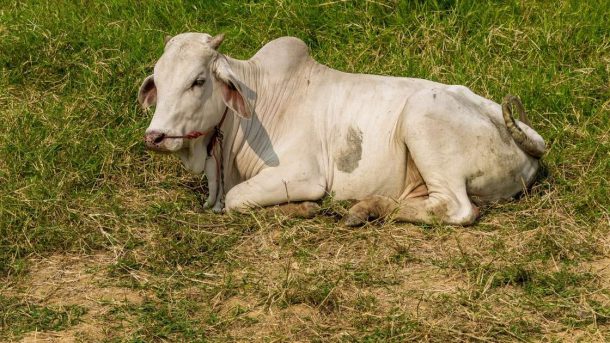
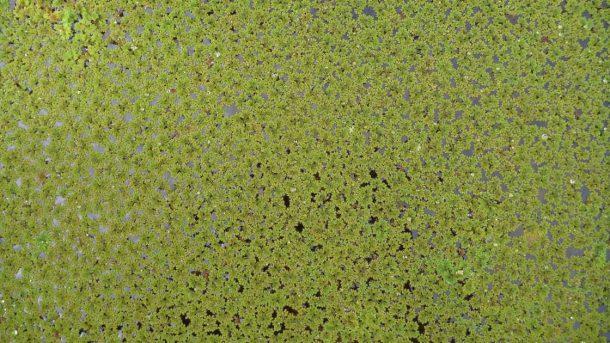
Because of its high protein content and low lignin concentration, azolla is easily digested by livestock. Fresh azolla can be combined 1:1 with commercial feed or given to livestock directly. It was discovered that when cattle were fed azolla, their milk output increased by 10% to 12%. It’s also been discovered that azolla feeding improves milk quality. Azolla is rich in protein, almost 20-25% CP on dry weight basis. It is also found to contain essential minerals like Iron, calcium, magnesium, phosphorus, copper,  manganese  etc. Apart  from   appreciable quantities of vitamin A and vitamin B12. It is also found to contain almost all the essential amino acids, many probiotics, bio-polymers and beta carotene.

Why moringa is used as a green fodder for animals ?

animals

There has been an increasing interest in the use of Moringa as a protein source for livestock . Laboratory analysis showed negligible amounts of tannins (1 to23 g/kg) in all fractions of the Moringa oleifera plant and high levels of sulphur-containing amino acids. Macronutrients like P, K, Ca, and Mg play key roles in balancing the physiological, metabolic, and biochemical processes of livestock. Moringa leaves contain high amount of macronutrients Mg and K, and can be effectively used to fulfill the dietary and nutritional requirements of livestock animals by mixing of Moringa leaves. Moringa leaves contain a good amount of beta-carotene, vitamin C, calcium, magnesium and iron.

What is mosaic virus disease of watermelon ?

mosaic

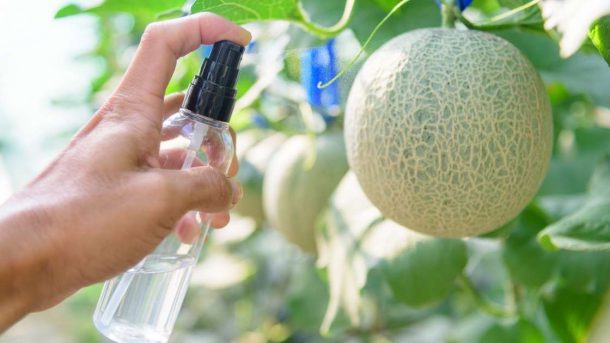
Aphids are the carriers of this virus. Mosaic like symptoms emerge on leaves as a result of this virus. Vein bending, reduced leaf size, leaf deformation, and blisters are also seen on the leaves. This virus may have a negative impact on plant growth and fruit yield. Manage the aphid population effectively to prevent the virus from spreading. Spray Metarhizium, a fungus-based powder, at a rate of 40 g per ten litres of water to control aphids.

How red cotton bug attacks cotton bolls ?

Cotton Bug

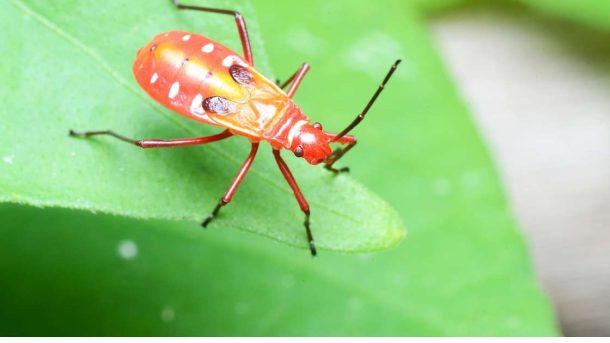
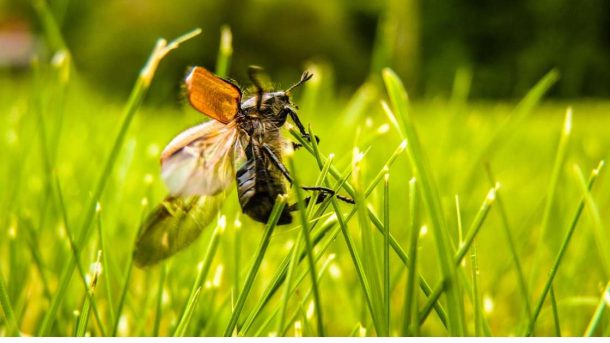
The sap from the green bolls is sucked by insects. At the same time, the fluid leaking from its body promotes the growth of bacteria and fungus, lowering the quality of cotton. The problem appears to be worsening from January forward. Because this pest is also found in harvested cotton, the price of cotton bales suffers as a result of red spots on the cotton during the ginning process. Pests have been on the rise for the past 4-5 years.

What are the symptoms of late blight of potato and how to control it ?

late blight

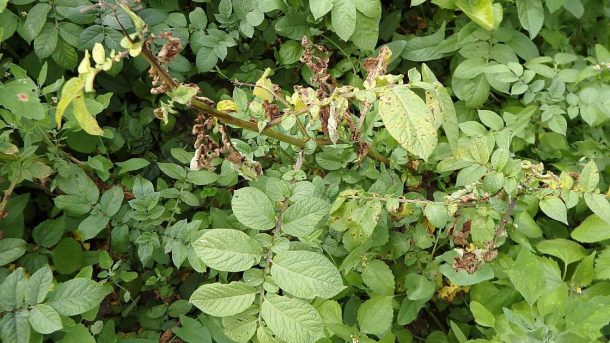
Purple black patches occur on the top leaves and branches of the stem when the illness first appears. White fungus can be observed growing under such dots. Under more severe disease, the crop seems to be burned. This sickness has an impact on tuber settings as well. Spray azoxystrobin 23 SC @ 10 ml or mancozeb 75 WP @ 20 g or metiram 70 WG @ 20 g or metalaxyl M 4 percent + mancozeb 64 percent WP @ 20 g per 10 lit of water at the start of the treatment.

During when , infestation of brinjal shoot & fruit borer remain lower?

brinjal shoot

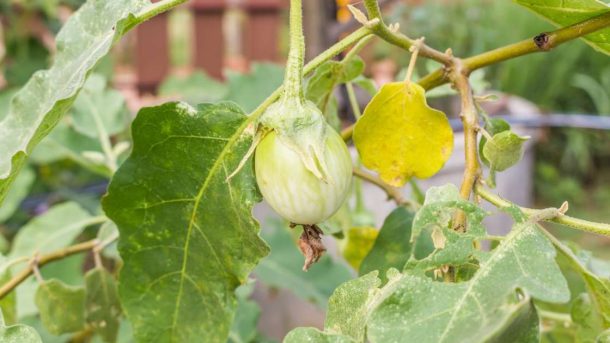
According to one study, the pest’s impact is often less in crops transplanted in September. Some farmers will have transplanted this crop and will be witnessing the pest’s devastation. Spray chlorantraniliprole 18.5 SC 4 ml, emamectin benzoate 5 SG @ 4 g, thiodicarb 75 WP @ 10 g, or beta-cyfluthrin 8.49 percent + imidacloprid 19.81 percent OD @ 4 ml per 10 lit of water if damage is severe.

What is pruning and what is the principle?

principle

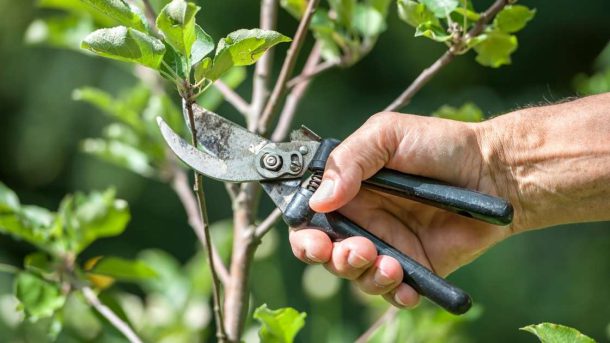
Pruning is the deliberate removal of branches, twigs, limbs, shoots, or roots. The main principle of pruning is to reduce the apical dominant & encourage the lateral branches to grow. Pruning gives a definite direction and shape to the plant along with a strong framework. Pruning also influences productiveness and improves the quality of the product.

What is wintering in rose ?

rose

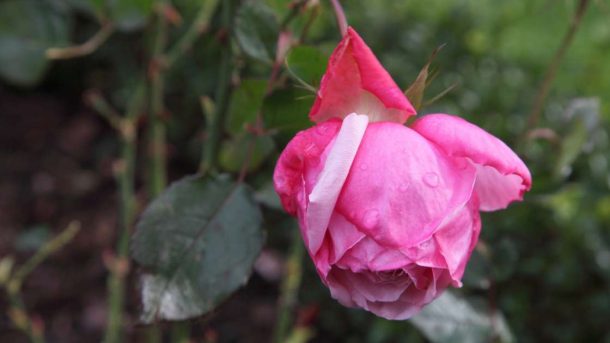
This could be a viable alternative to root pruning. Root pruning may not be necessary in the hotter portions of India. Ornamental plants are “wintered” in such situations. In northern and eastern India, flowering bushes like rose and jasmine can be wintered. The water supply to the plant to be wintered is turned off for a few days during the resting period, and the roots are exposed to the sun by removing the surface soil surrounding the trunk. Depending on the age, type, and hardiness of the plant, exposure can last anywhere from three to fifteen days. The roots are then covered with the same soil, which has been treated with farm yard manure, and thoroughly watered.