Livestock

What are the current trends in sustainable agriculture within the market?

sustainable agriculture

Sustainable agriculture has been gaining traction as a prominent trend within the agricultural business as of my most recent report in September 2021. Growing awareness of environmental issues, climate change, and the need for responsible resource management are what are driving the focus on sustainable practices. I don’t have access to current data, however the following are some significant trends in sustainable agriculture:

Regenerative Agriculture: Through techniques like cover crops, decreased tillage, crop rotation, and integrated livestock management, regenerative agriculture places an emphasis on restoring soil health and biodiversity. It seeks to increase carbon sequestration, water retention, and soil fertility.

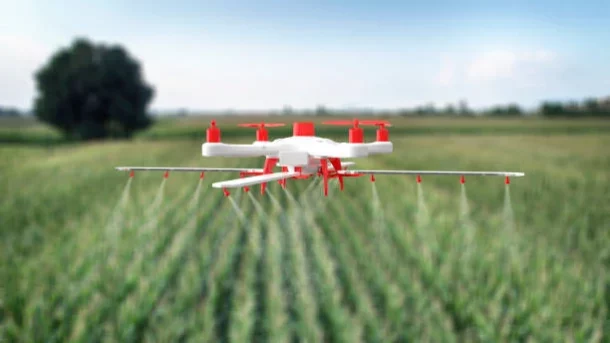
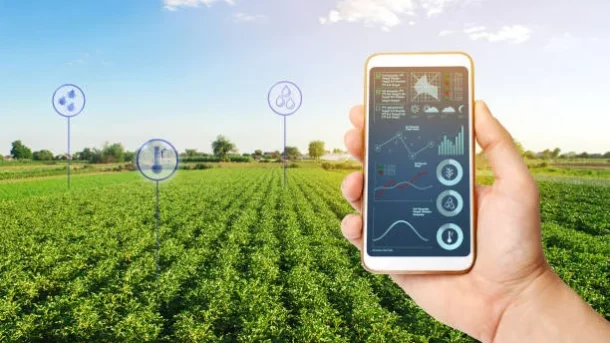
Precision Agriculture: To maximize resource utilization, precision agriculture integrates technology, data analytics, and remote sensing. Farmers collect data and apply inputs more effectively by using GPS, sensors, and drones, which minimizes waste and has a positive influence on the environment.

Climate-Smart Agriculture: Climate-smart agricultural methods put an emphasis on adjusting to and minimizing the consequences of climate change. This entails choosing agricultural varieties that are resistant to climate change, employing water-saving measures, and applying climate-friendly animal management.

Organic farming: Consumer desire for food that is free of chemicals, environmentally friendly, and socially responsible is what is driving this movement.

Agroforestry and silvopasture: By combining trees and shrubs with crops or livestock, agroforestry can conserve the land while also preserving biodiversity and generating additional income.
What is the current state of the global agricultural market?

global agricultural market

Since I’m an AI language model, I don’t have access to current information, so my understanding is based on knowledge as of September 2021. I am unable to provide information on the current situation of the global agricultural market in 2023 as a result.

I can, however, offer you a general summary of the trends and elements that frequently have an impact on the global agricultural market. A number of variables, such as weather patterns, geopolitical events, trade agreements, and general economic conditions, may cause actual market conditions to shift.

Agriculture supply and demand are in balance, and this has a significant impact on market prices. The level of demand for different agricultural products can be influenced by elements including crop yields, livestock production, and dietary changes.

Climate and weather: Unpredictable weather patterns, such as droughts, floods, and extremely high temperatures, have a substantial impact on crop productivity.

International Trade: The agriculture market is extremely dependent on international trade. Trade agreements, export and import regulations, and taxes all have an effect on how easily agricultural products move between nations.

Government Policies and Subsidies: Government interventions, such as subsidies, price supports, and rules pertaining to land use and agricultural practices, have an impact on agricultural markets.

 How does data analytics improve livestock management practices?

data analytics improve

By delivering insightful information, enabling well-informed choices, and enhancing overall performance, data analytics plays a significant part in enhancing livestock management methods. How data analytics improves livestock management is as follows:

Key performance indicators (KPIs) in livestock production may be continuously monitored thanks to data analytics. Farmers can monitor the performance of specific animals, groups of animals, or the entire herd or flock by gathering and evaluating data on factors like weight gain, feed conversion ratio, milk production, or egg production. This monitoring enables the early identification of potential problems, the detection of departures from expected patterns, and the identification of underperforming animals.

Monitoring animal health and managing illness: Data analytics can help with monitoring animal health and managing disease in livestock. Analytics systems can find patterns and spot early indications of disease outbreaks or health problems by integrating data from a variety of sources, such as sensor data, veterinary records, and environmental data. This enables preventative actions to reduce disease spread and effect, such as early treatment, quarantine measures, or modifications in feed and management methods.

Management of reproduction: Data analytics improves management of reproduction in animals. Farmers can determine the ideal breeding periods, spot fertility issues, and decide on breeding plans after carefully examining data on estrus behavior, breeding records, fertility measurements, and environmental conditions. This increases reproductive efficiency overall, decreases calving/lambing intervals, and improves breeding success rates.

Optimization of feed management and nutrition: Data analytics aids in improving feed management and nutrition in the production of livestock. Analytics systems can produce personalized feeding plans and suggest feed compositions to satisfy particular nutritional demands by integrating data on feed composition, animal nutrient needs, and animal performance. Through this optimization, feed efficiency is increased, feed waste is decreased, optimal growth is ensured, and nutritional imbalances are minimized.

How does the use of drones in agriculture reduce operational costs?

drones

Drones use in agriculture can cut expenses in a variety of ways, including:

Effective data gathering: Drones with cameras, sensors, and other data-gathering equipment may quickly and effectively gather a variety of data kinds, including aerial pictures, multispectral or thermal imaging, and LiDAR data. Drones can quickly cover enormous regions and collect high-resolution data at a fraction of the cost and time of conventional manual data collection methods. This effectiveness lowers the need for labor and related expenses.

Precision mapping and monitoring: Drones make it possible to precisely map and keep an eye on livestock, crops, and fields. Drone-collected aerial imagery and sensor data can give precise information about the health of crops, their growth patterns, soil moisture levels, and pest infestations. Farmers can focus on specific regions by identifying those that need care.

Crop health evaluation: Drones with specific sensors may take multispectral or thermal photos, which offer important information about the state of a crop’s health. Early indications of stress, food deficiency, or disease outbreaks that might not be evident to the naked eye can be found using these photos. Farmers can avoid the need for lengthy scouting, eliminate yield losses, and use fewer chemical inputs by quickly recognizing and resolving these problems.

Drones can be fitted with seed spreaders or sprayers to enable the exact application of inputs such as seeds, fertilizer, or pesticides. Drones eliminate waste, minimize chemical use, and maximize resource use by applying inputs just where they are required. This focused strategy aids in lowering input costs and lessens the environmental damage caused by excessive application.

What are the advantages of using precision livestock farming techniques?

precision livestock farming

PLF (precision livestock farming) approaches have many benefits for the management and observation of animals. Following are the main advantages of utilizing PLF techniques:

Monitoring of animal welfare and health: Precision livestock farming approaches enable ongoing observation of animal welfare and health indicators. Indicators such as body temperature, heart rate, activity levels, food behavior, and rumination patterns can be tracked by sensors, such as wearable technology or automated monitoring systems. Through early health issue diagnosis and prompt action made possible by real-time monitoring, animal welfare results are improved.

The early diagnosis of diseases or anomalies in animals is made easier by PLF procedures. Animal behavior, vital signs, and performance indicators can all be continuously monitored in order to spot any deviations from the norm. As a result, the risk of early disease diagnosis and treatment is decreased.

Resource management at its best: PLF makes it possible for livestock production systems to use resources effectively. Farmers can modify their feeding techniques and improve nutrient management by gathering information on feed consumption, weight increase, and growth rates. As a result, feed efficiency is increased, feed waste is decreased, and resources like feed, water, and energy are used more sustainably.

Environmental effect reduction: PLF procedures help to lessen the environmental impact of raising livestock. Farmers can decrease the excretion of nutrients like nitrogen and phosphorus by maximizing feed intake and nutrition, which lowers the risk of soil and water pollution. Reduced feed waste and greenhouse gas emissions from livestock production are further benefits of precision feeding depending on the demands of each individual animal.

What is the impact of climate change on global food security? 

global food security

Global food security is significantly impacted by climate change, which has an impact on many areas of food production, distribution, and access. The following are some significant effects of climate change on world global food security:

Crop production and variations in yield: Crop productivity is directly impacted by rising temperatures, shifting precipitation patterns, and a rise in the frequency of extreme weather events like droughts, floods, and heatwaves. Climate changes have the potential to shorten growing seasons, lower crop yields, and increase output variability. These yield variations might threaten the stability and availability of food, especially in areas that depend significantly on agriculture.

Changed dynamics of pests and diseases: Pests and diseases that harm crops and livestock can vary in their distribution, behavior, and frequency as a result of climate change. 

Obstacles to irrigation and water availability: Climate change-related changes in precipitation patterns and growing water scarcity may make it more difficult to irrigate agricultural land. Crop growth can be hampered by a lack of water, especially in regions that largely rely on irrigation. This may lead to lower agricultural yields, more competition for available water supplies, and more difficulties for farmers trying to sustain irrigation for food production.

Vulnerability of livestock and fishing: Livestock and fishing, which are essential sources of protein and nourishment, are impacted by climate change. Animal health, reproduction, and productivity may be impacted by rising temperatures, heat stress, and modifications in water availability. The livelihoods of coastal communities that depend on fishing can be threatened by changes in fish populations brought on by changes in ocean temperatures and acidity.

What are the advantages of using smart sensors in livestock farming?

smart sensors

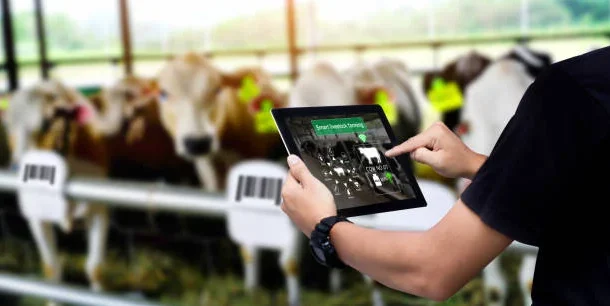
The use of smart sensors in livestock farming has a number of benefits that can enhance farm management, productivity, and animal welfare. Using intelligent sensors in this situation has the following major benefits:

Monitoring the health of animals: Livestock’s vital signs, such as body temperature, heart rate, and breathing rate, can be continually tracked using smart sensors. By enabling for fast intervention and early diagnosis of health risks, this real-time data lowers the likelihood of disease outbreaks. Farmers can give focused care and use less antibiotics or other treatments by carefully monitoring each animal.

Enhanced welfare and behavior monitoring: Intelligent sensors can monitor animal feeding, drinking, and movement habits. Abnormal behavior might be a symptom of distress or health issues, allowing for prompt intervention. 

For the best control of reproduction, sensors can be used to monitor oestrus cycles and spot indicators of heat in cattle. Farmers can increase reproductive effectiveness, identify the ideal insemination timing, and optimize breeding plans using this information. Farmers can maximize breeding success rates and overall production by carefully monitoring the health of their reproductive systems.

Environmental monitoring: In livestock facilities, smart sensors can assess environmental variables including temperature, humidity, and air quality. Using this information, producers can provide the animals with the best possible living circumstances, assuring their comfort and lowering the likelihood of stress-related problems. Improving productivity and growth rates is also facilitated by maintaining healthy environmental conditions.

What are the advantages of using weather forecasting in agriculture?

forecasting

In agriculture, weather forecasting is essential since it benefits farmers and agricultural techniques in many ways. Some of the main benefits of employing weather forecasting in agriculture include the following:

Weather forecasts that are accurate aid farmers in making well-informed choices regarding crop planning and management. Farmers can choose the ideal time for planting, irrigation, fertilization, and harvesting by anticipating the weather. In order to maximize crop yield and quality, they might time their agricultural efforts to coincide with favorable weather windows.

Weather forecasts give farmers the ability to foresee and control weather-related risks. Farmers can get ready for extreme events like storms, frost, heat waves, or droughts by keeping an eye on weather patterns. They can put into practice the right protection measures for infrastructure, livestock, and crops, minimizing potential losses and harm.

Weather forecasts are useful for effective irrigation management. Farmers can modify irrigation schedules and amounts by taking expected rainfall and evapotranspiration rates into account. This promotes water use efficiency, lowers the risk of water stress or waterlogging in crops, and helps prevent overwatering or underwatering.

Management of pests and diseases: Prevalence and activity of pests and diseases are influenced by weather conditions. Farmers may learn a lot from weather forecasts about the probability of pest outbreaks, fungus infections, or other disease stresses. This enables the prompt application of integrated pest management (IPM) techniques, such as the targeted use of pesticides or other preventative measures.

What is organic farming and its significance in sustainable agriculture?

sustainable agriculture

The cultivation of crops and the raising of livestock under organic farming emphasizes the use of natural and environmentally beneficial methods. It entails refraining from using synthetic chemicals like pesticides and fertilizers while fostering soil health, biodiversity, and ecological balance. There are several ways in which organic farming is important for sustainable agriculture:

Environmental stewardship: The maintenance and improvement of the health of the environment are given top priority in organic farming practices. Organic farming lessens soil, water, and air pollution by not using synthetic chemicals. It lessens the possibility of food contamination from pesticide residues and the detrimental effects of chemical runoff on ecosystems. Because it emphasizes the use of varied crop rotations, intercropping, and habitat protection, organic farming also supports biodiversity.

Organic farming places a strong emphasis on creating and maintaining fertile soils. It places a focus on using organic matter to enhance soil structure, moisture retention, and nutrient availability, such as compost and cover crops in sustainable agriculture. Organic farming increases long-term agricultural productivity and resilience by improving soil health, which also lessens the demand for synthetic fertilizers.

Nutrient management and cycling: Using techniques like composting, crop rotation, and the use of legume crops for nitrogen fixation, organic farming practices try to maximize nutrient management. By promoting natural nutrient cycling, these strategies help prevent nutrient runoff and leaching into aquatic bodies. A holistic approach to nutrient management that takes into account the entire agroecosystem is emphasized in organic farming.

How can IoT improve farm management and efficiency?

farm management

The Internet of Things (IoT), which offers real-time data, automation, and remote monitoring capabilities, has the potential to greatly increase farm management and efficiency. Several methods that IoT can improve agricultural management are listed below:

Precision farming: Real-time data collection on soil moisture, temperature, humidity, and nutrient levels is possible using IoT sensors and devices. To make irrigation schedules, nutrient treatments, and crop management procedures more effective, this data can be examined. With the help of precision agriculture, farmers can make informed decisions that maximize crop yields and ensure that resources are used effectively.

Remote management: Farmers can remotely monitor and manage their farms thanks to IoT. Farmers may obtain data regarding environmental conditions, crop health, and livestock status at any time, anywhere, thanks to connected equipment and sensors. 

Systems for automation and control: IoT technology makes it possible to automate and farm management a variety of farm operations. Connected devices can control greenhouse settings, irrigation systems, lighting cycles, and livestock feeding systems. Automation lessens the need for manual labor, boosts operational effectiveness, and provides precise and constant management of crucial activities.

Management of livestock: IoT devices can be used to track the whereabouts of livestock, track their health, and offer real-time information on their activity. Wearable sensors and other connected devices can track eating habits, look for disease symptoms, and offer information on the general health of the animals. Farmers may improve livestock management techniques, identify health issues early, and optimize feeding regimens with the use of this information.